
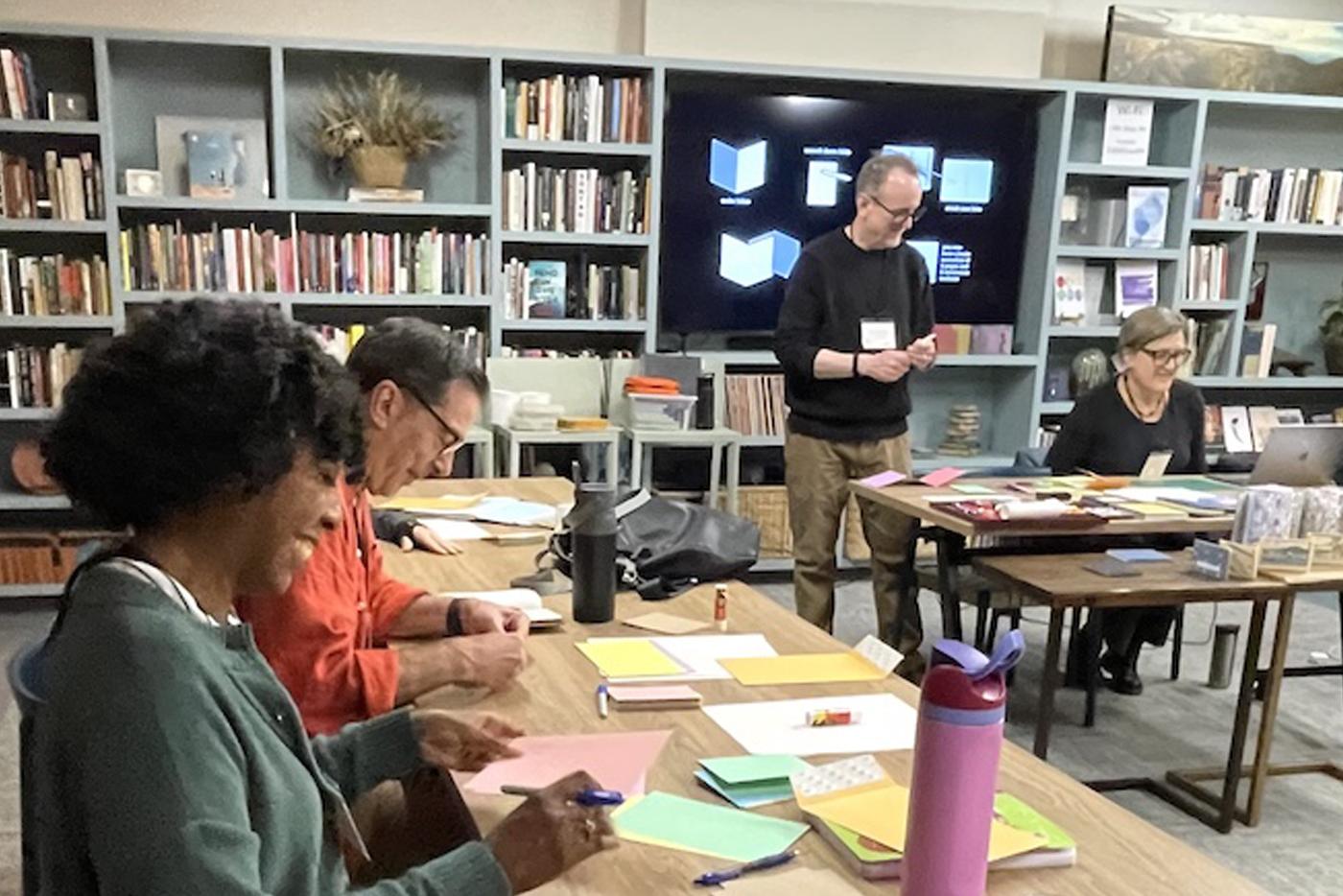
Header image: Writers at Charlotte Lit. Photo by Paula Martinac, courtesy of Charlotte Lit.
Storytelling is deeply ingrained in the human experience, offering opportunities for understanding, entertainment, and connection. Sometimes its greatest gift is self-discovery. For Paul Reali, the executive director of Charlotte Lit, helping people meet their inner writer is at the heart of that journey.
After completing her PhD in mythological studies, a poet, Kathie Collins, began searching for a community of writers. When she couldn't find one that met her needs, she decided to build one. One of the first people to show up was Paul, who saw the vision that Kathie had in mind. The two founded Charlotte Lit in 2015, with Collins serving as creative director and Reali as executive director. Together, they have created a place where writers of all levels can learn and grow in their practice.
They operated out of a space in the Plaza Midwood neighborhood for seven years. When the building was sold to a developer, Charlotte Lit spent several years exploring different options. The organization settled into its new, permanent home in Uptown Charlotte last year.
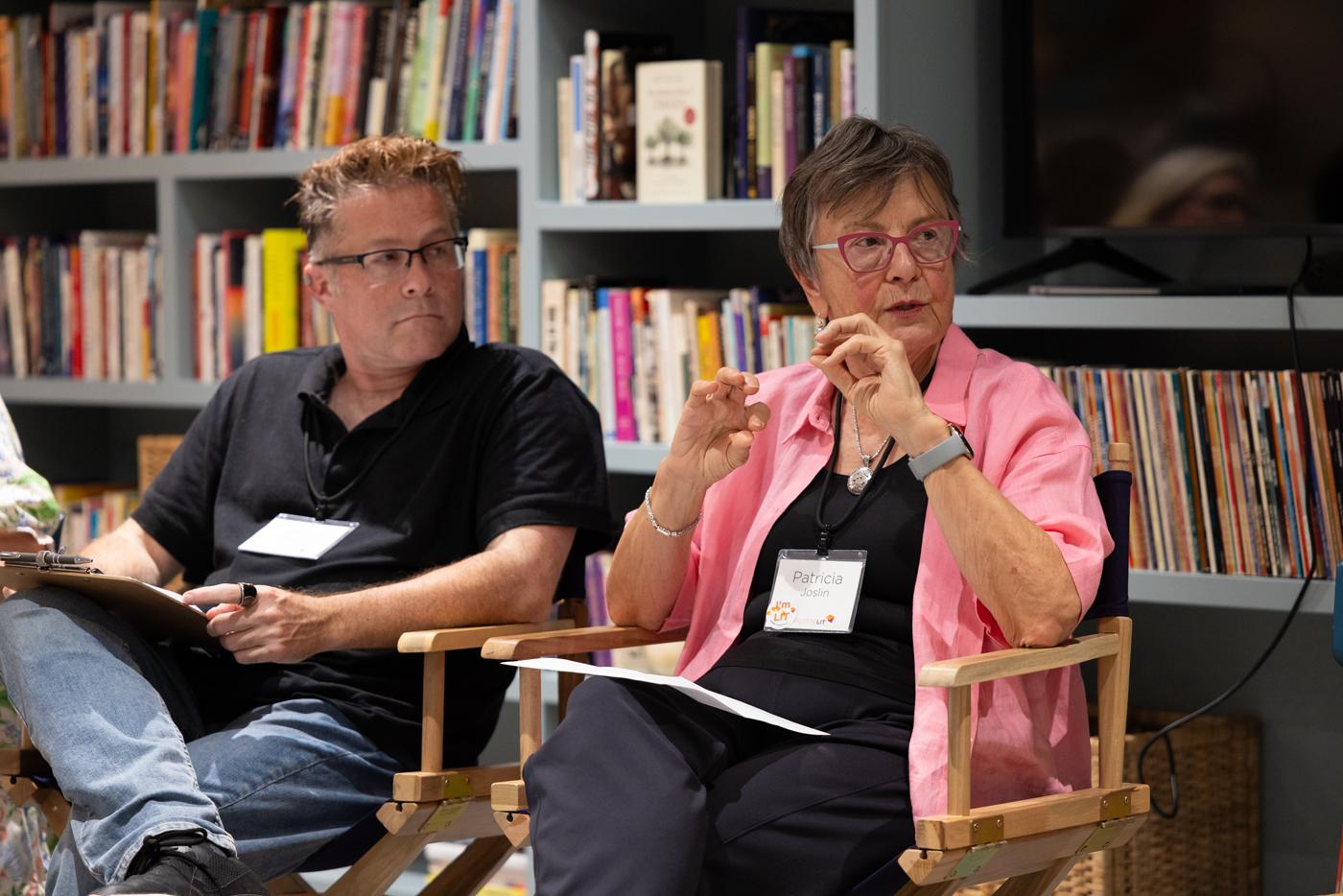
The move created new opportunities for programming and community engagement. “It enables us to do everything that we have been doing and that we lost in our original space,” Paul says. “It also allows us to expand our reach. We have the ability to bring in writers, to hold classes, and to give people a space for writing.” The central location allows them to reach more of the city and the county and also draws people to participate from around the state and the country. The beautifully updated Uptown facility includes a library area, office, kitchen, and flexible gathering space that serves both as a classroom and a venue for readings and author talks, and it has the added benefit of a large parking lot.
According to Paul, “Our first impulse was to gather people in community and give them a space to be in a room together, letting them work, talk, write, and learn together.” Community remains at the heart of Charlotte Lit's work. As the organization states, "Charlotte Lit's mission is to celebrate the literary arts by educating and engaging writers and readers through classes, conversations, and community."
Charlotte Lit sees itself as part of a larger creative ecosystem. By partnering with other arts, education, and community organizations, it reaches new audiences and helps strengthen Charlotte's literary community as a whole. “We’ve worked with the Charlotte Mecklenburg library since our inception and we have occasional collaborations with other organizations when things fit together,” Paul says. “For example, we’ve worked with Theatre Charlotte when they’re doing something that’s based on a work of literature. We’ve also worked with Three Bone Theater, the Mint Museum, the Bechtler Museum of Modern Art, and others. They help us reach people who might not know about us otherwise.”
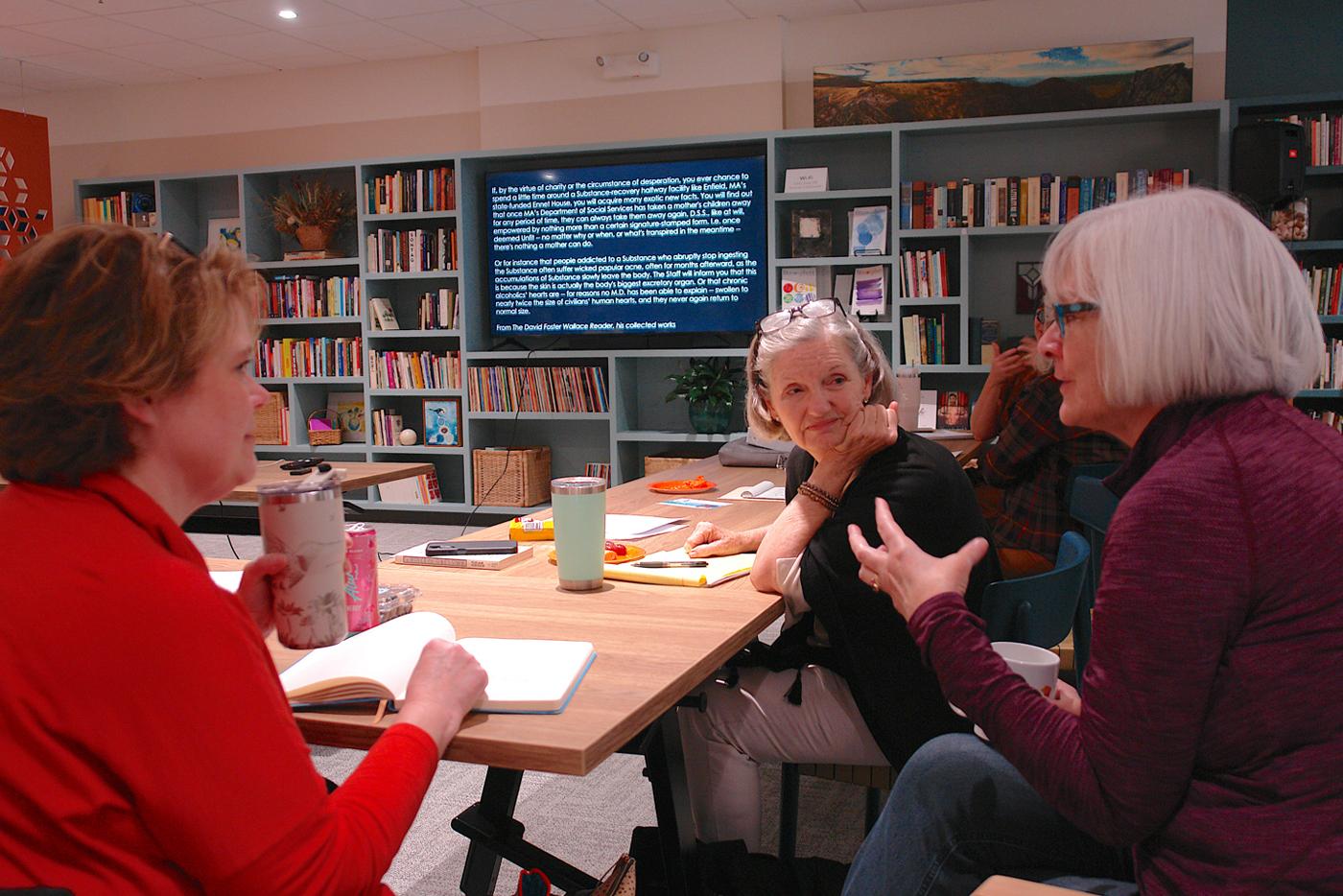
Writers can engage with Charlotte Lit in many ways. Throughout the year, Charlotte Lit offers more than 40 classes designed to help writers develop their craft. For those looking for a low-pressure introduction, the organization also hosts "Pen to Paper," a free weekly writing session open to writers of all experience levels. Members receive discounts on classes and can participate in Open Studio, which is community writing time in the studio. In addition, members have access to an online community with resources and opportunities for growth, plus other members-only perks. It offers public literary events throughout the year, including readings and conversations. Since its founding, Charlotte Lit has offered more than 1,000 literary arts events and classes, reaching more than 10,000 participants.
Writers who want to deepen their craft or pursue publication can participate in Charlotte Lit's year-long Labs program. Labs combine craft classes, individual and group coaching, and a supportive cohort community.
For writers interested in taking their work further, Charlotte Lit also offers opportunities for publication. To help writers bring their work into print, in 2022 the organization launched Charlotte Lit Press. The press publishes poetry chapbooks and full collections, as well as Litmosphere: Journal of Charlotte Lit, a semiannual, open-submission publication that showcases poetry, fiction, and creative nonfiction. “As a small press, we’re always hoping to publish more good works. We’re always excited to put writers on the page,” Paul says.
For many, writing is a more personal creative outlet than that. “In fact, a lot of people are realizing that they can use writing as a way to understand their world, themselves, and one another, ” Paul says. “They may use it for self-discovery, not with any thought to whether they are going to publish anything. There are people who just love to write poetry for fun. They are finding something in themselves and putting it in words on paper.”
Most people don't make a living from their writing, but that isn't the point. Paul says, “Everybody can write, and we think writing as an art form or as an expressive form is available to anybody. We have people come to us who say they’ve always wanted to write, or they never had time to write, or they used to write and now want to work on their writing.”
Writing as an art form appeals to people of all ages and for a variety of reasons. Some writers discover the craft later in life, beginning in their 50s, 60s, and beyond. Paul says, “We give people a place where they can discover this skill. They are asking themselves, ‘Can I do this for my own enjoyment, my own personal growth, my own healing?’ There are so many benefits to writing that have nothing to do with an audience. For those who want an audience, we want to help them write as best they can, so they can find their audiences.”
Supporting writers who create for personal fulfillment rather than publication has become one of the organization's most rewarding outcomes. “It excites me that there is a renewed attention on people who write for themselves. We're bringing in people who don’t think of themselves as writers, but who would like to try it out and see how it feels. Writing is a lovely, low-stakes way of being creative in the world. Often, people don’t start things because they’re afraid of how long it’ll take to learn, they don’t want to look bad, or they aren’t comfortable with the struggle. Writing is something you can just do, and if you want to get better, we can help you get better. But if what you want is just freedom to express, we have some ideas for how to help you do that, too.”