
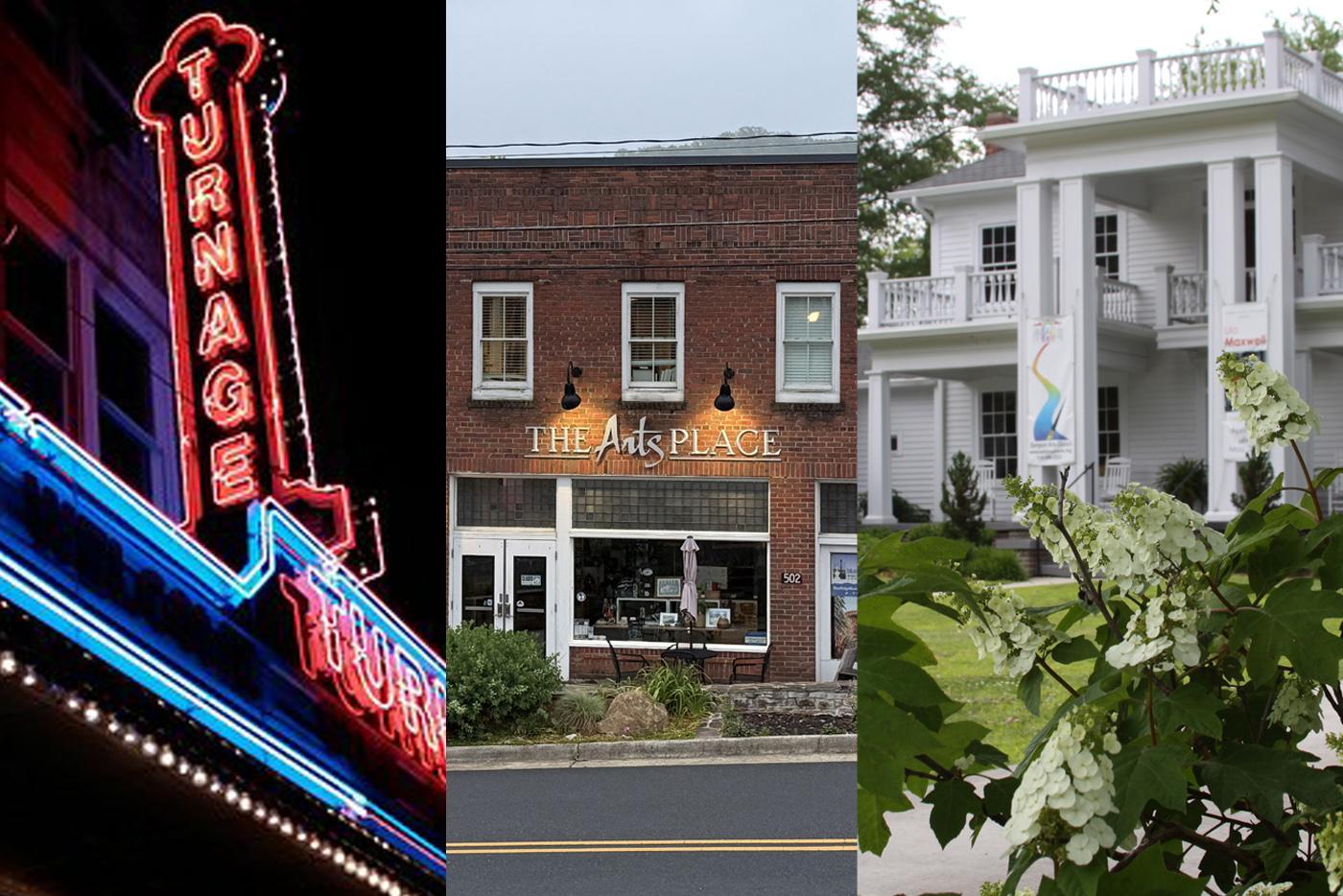
Header image from left to right: The Turnage Theatre marquee, courtesy of the Arts of the Pamlico; Exterior of the Stokes County Arts Council, courtesy of the Stokes County Arts Council; Exterior of Victor R. Small House, courtesy of Sampson Arts Council.
Arts agencies are scrappy, inventive, and community-based organizations that often use unconventional spaces rooted in the local history. Those places carry layered pasts—and sometimes the spirits of people who once lived or worked there linger. This October, we’re spotlighting three arts organizations whose ghostly tales are eclipsed only by the impactful work they do in their communities.
Stokes County Arts Council
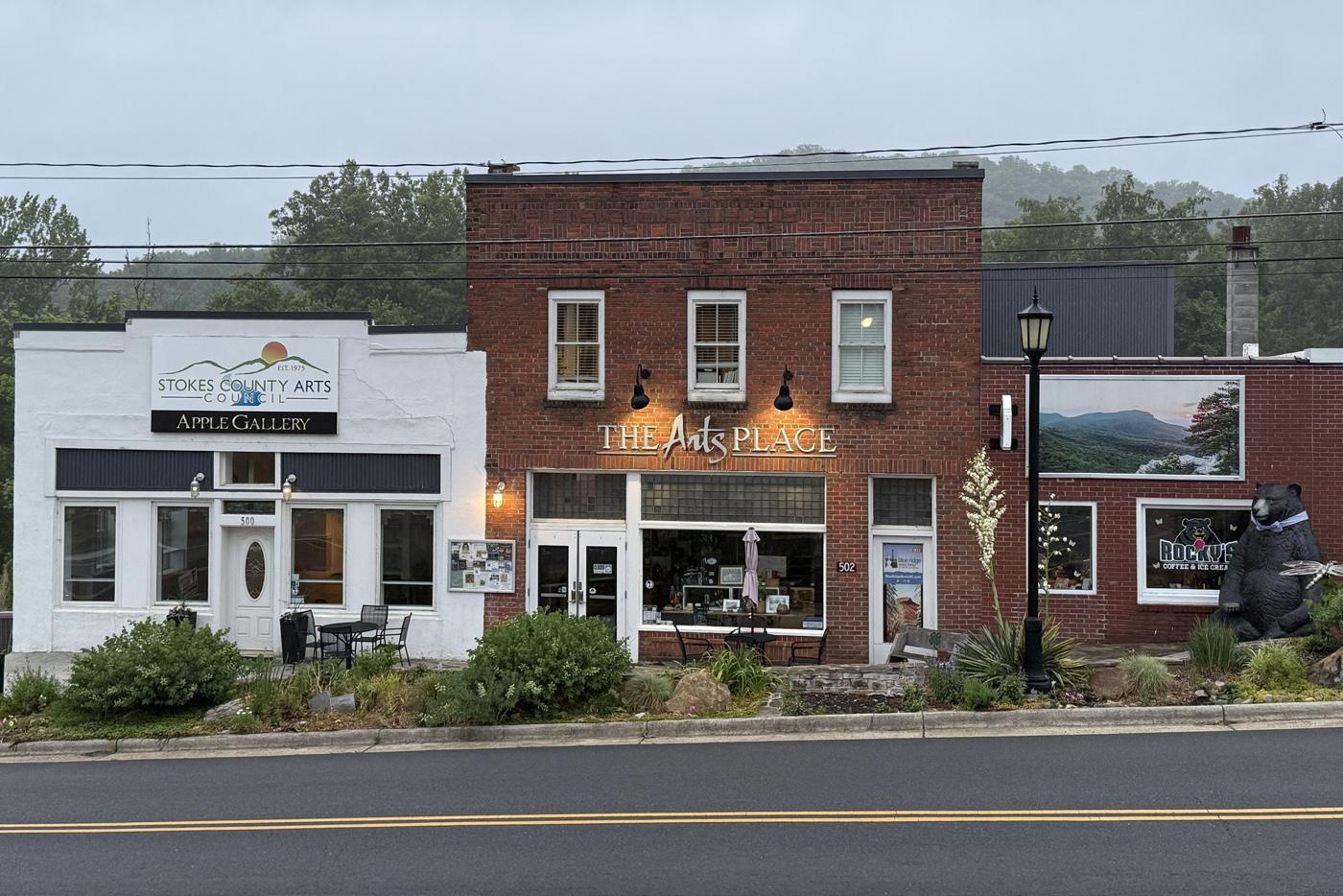
The idyllic town of Danbury sits nestled in the valley of the Sauratown Mountain range, in western North Carolina. Known as the gateway to Hanging Rock State Park, visitors and residents enjoy fishing along the beautiful Dan River, and camping and hiking among the ample wildlife. The Stokes County Arts Council, whose venue brings together three historic properties, resides at the heart of the community.
The oldest building, currently home to the Apple Gallery and the council’s offices, was built in 1910 as a storefront and was converted to a bank in the 1960s. The adjacent center building, constructed in 1925 as a general store and law office, now houses the Arts Place. After the council renovated it, this charming space retained many of its original features while gaining modern upgrades to support its role as a store and performance venue. The third adjacent building, a barbershop from the 1940s, rounds out the trio.
In 2016, Stokes Arts completed the renovation of the three properties and added 3,500 square feet of new construction, transforming the space into a 7,000-square-foot venue with a retail art market, gallery, a café (Rocky’s Coffee & Ice Cream), a flexible performance space, artist studios, a ceramic studio, a classroom, and a kitchen.
Now the arts council is expanding further by renovating the two remaining properties on the block, both constructed in the 1950s. Once completed, the new spaces will house a farm-to-table restaurant, a brewery and taproom, and a bakery. When completed at the end of this year, the entire development will be known as the Arts Block of Stokes.
These buildings were central to the mid-century life of this mountain town, and some say that echoes of that past can still be heard. Reports of voices and footsteps are so frequent that Stokes County Paranormal uses the space often for investigations. Kimberly Boles, one half of Stokes County Paranormal's mother-daughter team, also works part-time at Rocky’s and serves on the Stokes County Arts Council board. “Most of our volunteers and staff have had an experience of some sort,” Kimberly says. “Nearly every day, someone on staff will have some sort of paranormal experience, such as hearing footsteps in the early hours in our Artist Loft, seeing full apparitions in our gallery, or even experiencing poltergeist activity in our stock room.” Although no known tragedies occurred here, the block is well documented as the site of a tavern that was the epicenter of the town during its early years. “As far as spirits go, we don’t know why they are here,” Kimberly explains. “We tend to call this place a pass-through, since we see all grades of activity and all types of spirits. Many are intelligent and will interact with our detection equipment on command, while others seem to be experiencing the same repeating snippet of time.”
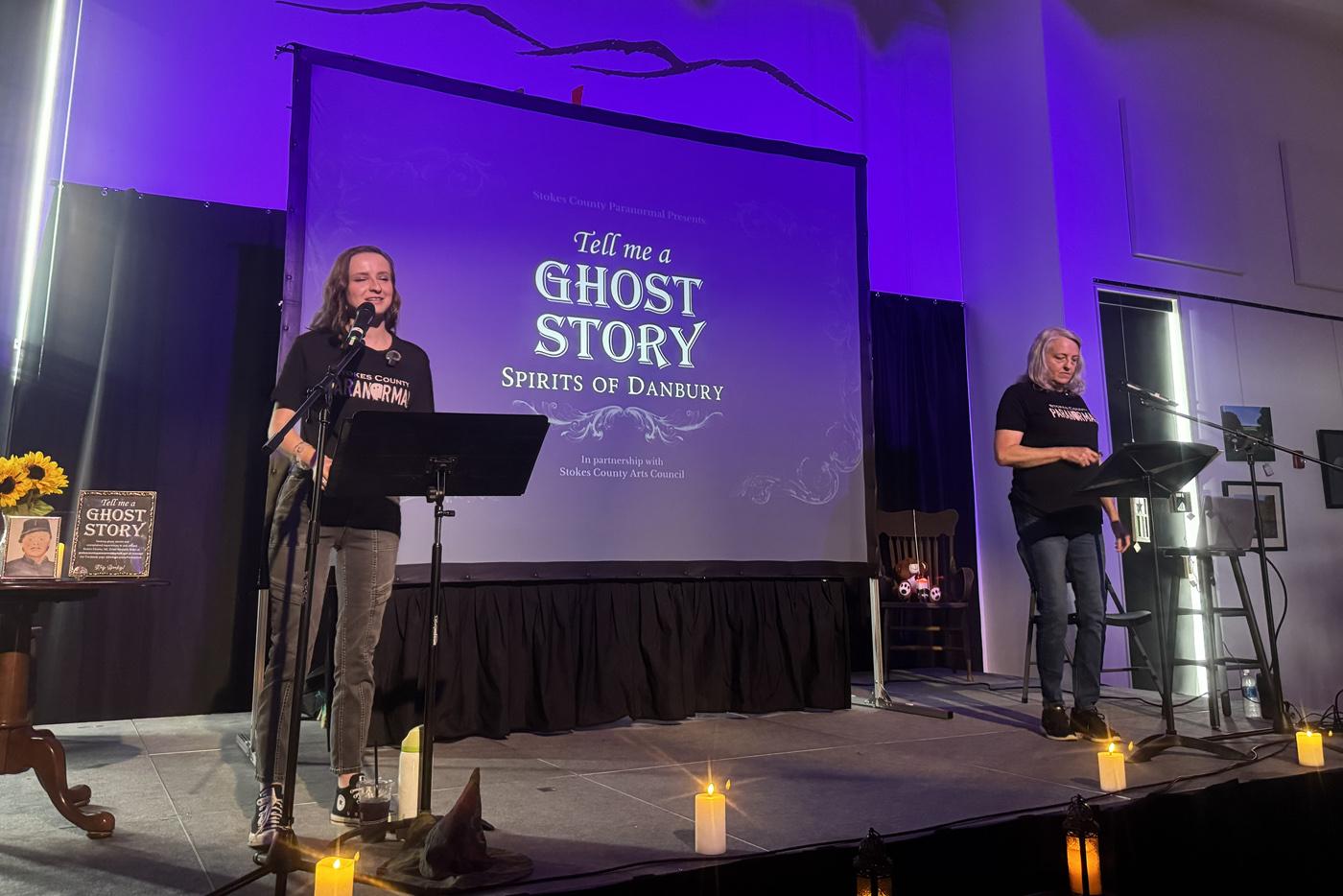
The team has communicated with several notable spirits through their equipment. One of these spirits, Mary, was a student at an all-girls school a few buildings down the road. She claims to be 15, and although she disliked her music lessons in her own time, she seems to enjoy the music she hears at the Arts Place. Among the other spirits are children who love to play with musical devices and light-up toys and a Civil War soldier from the area. “Our dear former resident spirit, David, was a very intelligent Civil War soldier,” Kimberly explains. “He gave us enough information to find his records and potential burial site in Gettysburg, Pennsylvania. We haven’t heard from him in a while, so we believe he has moved on.” Eddy McGee, Stokes County Arts Council executive director, often gets a personal shout-out from the ghosts. “We experience paranormal activity regularly. Voices, apparitions, music, perfume scents, footsteps, doors closing, and light activity have been recorded or captured on video and film. My own name, ‘Where is Eddy?,’ is often heard during investigations and I have personally answered voices that I thought were my staff, only to find that my staff were somewhere else in the building.”
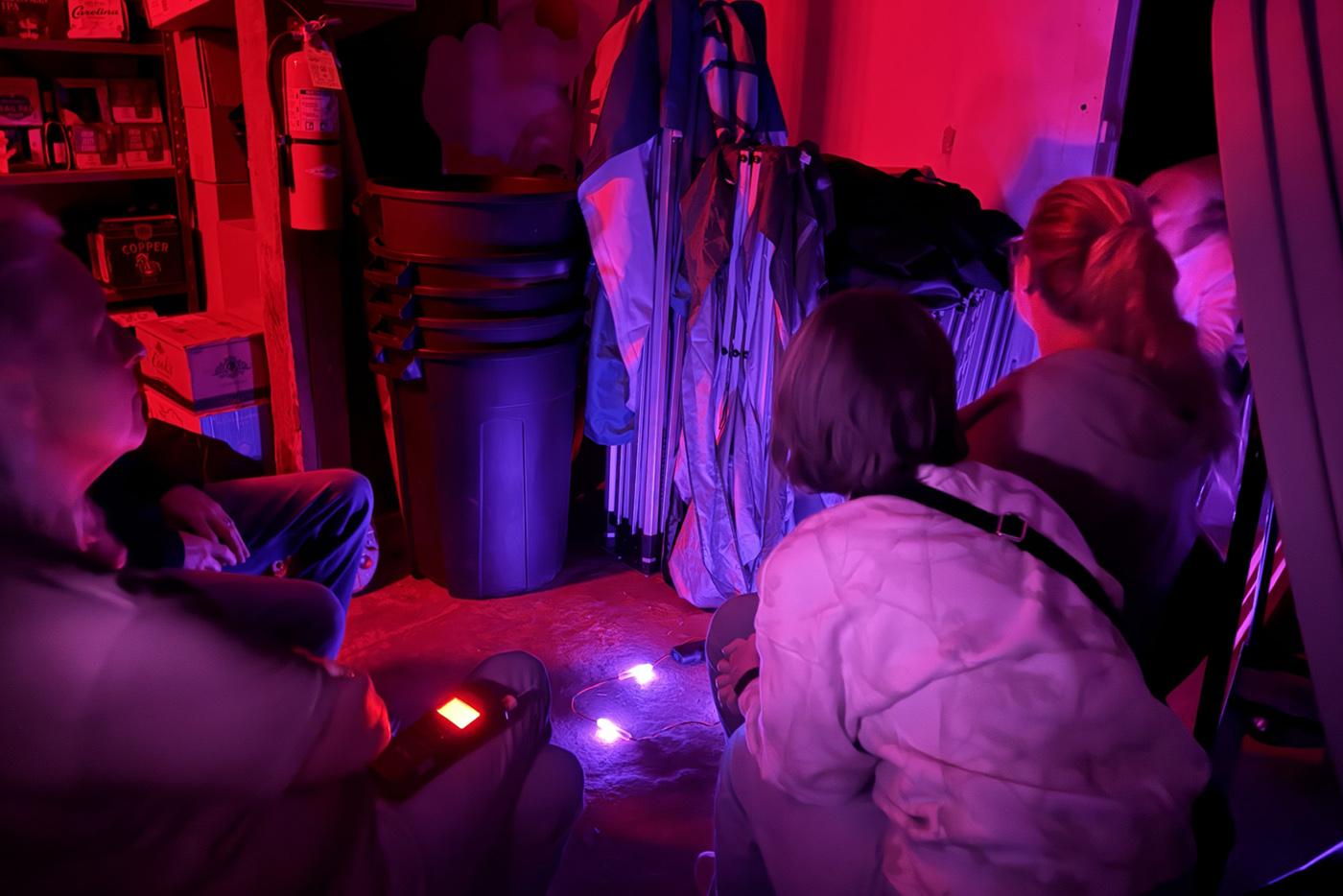
Stokes County Paranormal conducts investigations at the Arts Place and at other local haunted destinations. Stokes County Arts Council, however, offers far more than spooky experiences. The upcoming Arts Block expansion will enable the arts council to welcome even more visitors. The Sheep Rock Ridge Trail that runs to Danbury from Hanging Rock State Park will soon have a trailhead directly behind the Arts Block, drawing additional foot traffic to the area.
Theater productions such as The Wizard of Oz and The Best Christmas Pageant Ever; a Christmas shop featuring work by more than 140 local and regional artists; and outreach events such as Stokes Soup in a Bowl, which supports local food banks, all keep the space vibrant and welcoming both for the living and the occasional ghost.
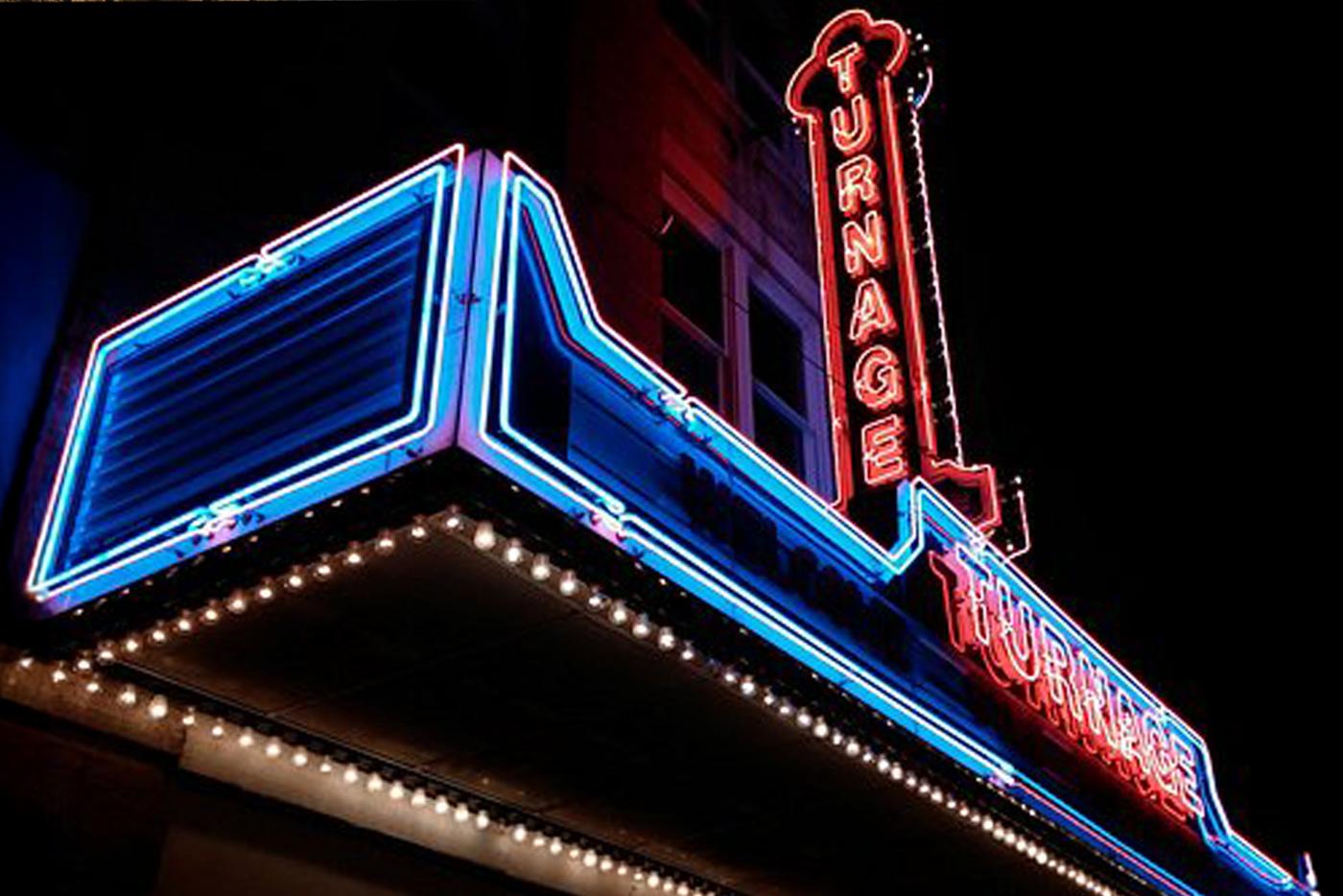
Arts of the Pamlico at the Turnage Theatre
When you visit the coastal town of Washington, it’s hard to miss the historic Turnage Theatre, whose bright marquee glows just one block from the waterfront. As an active port town, Washington drew steady traffic for more than a century, and traveling vaudeville acts made it a regular stop in the early twentieth century. The Turnage—then called the New Theatre—became their local stage.
In 1914, C.A. (Cat) Turnage bought a stake in the New Theatre, which occupied the second story of a three-story retail building in downtown Washington, and the Vaudeville Playhouse was born. There, such stars as Roy Rogers, Mutt and Jeff, and Red Skelton performed. When vaudeville declined in the late 1920s and “talkies” took over, Mr. Turnage added a 400-seat movie theater on the ground floor, creating one of the most modern theaters in eastern North Carolina at the time. Eventually, the vaudeville shows upstairs had to be abandoned altogether, because noise from the increasing number of cars rumbling by the building made it too hard for audiences to hear the performers.
For decades until its decline in the 1970s, the theater—by then called the Turnage—served as Washington’s mainstay for movies, welcoming residents and visitors. A brief reopening in the mid 2000s, fueled by community passion, began a restoration process, but that faltered for lack of long-term funding. In 2018, the Beaufort County Arts Council—now Arts of the Pamlico (AOP)—bought the building and continued preserving its stunning architecture. Today, the organization uses the theater as a thriving cultural hub that hosts more than 20 arts groups and a full calendar of exhibits, workshops, and programs for youth and adults.
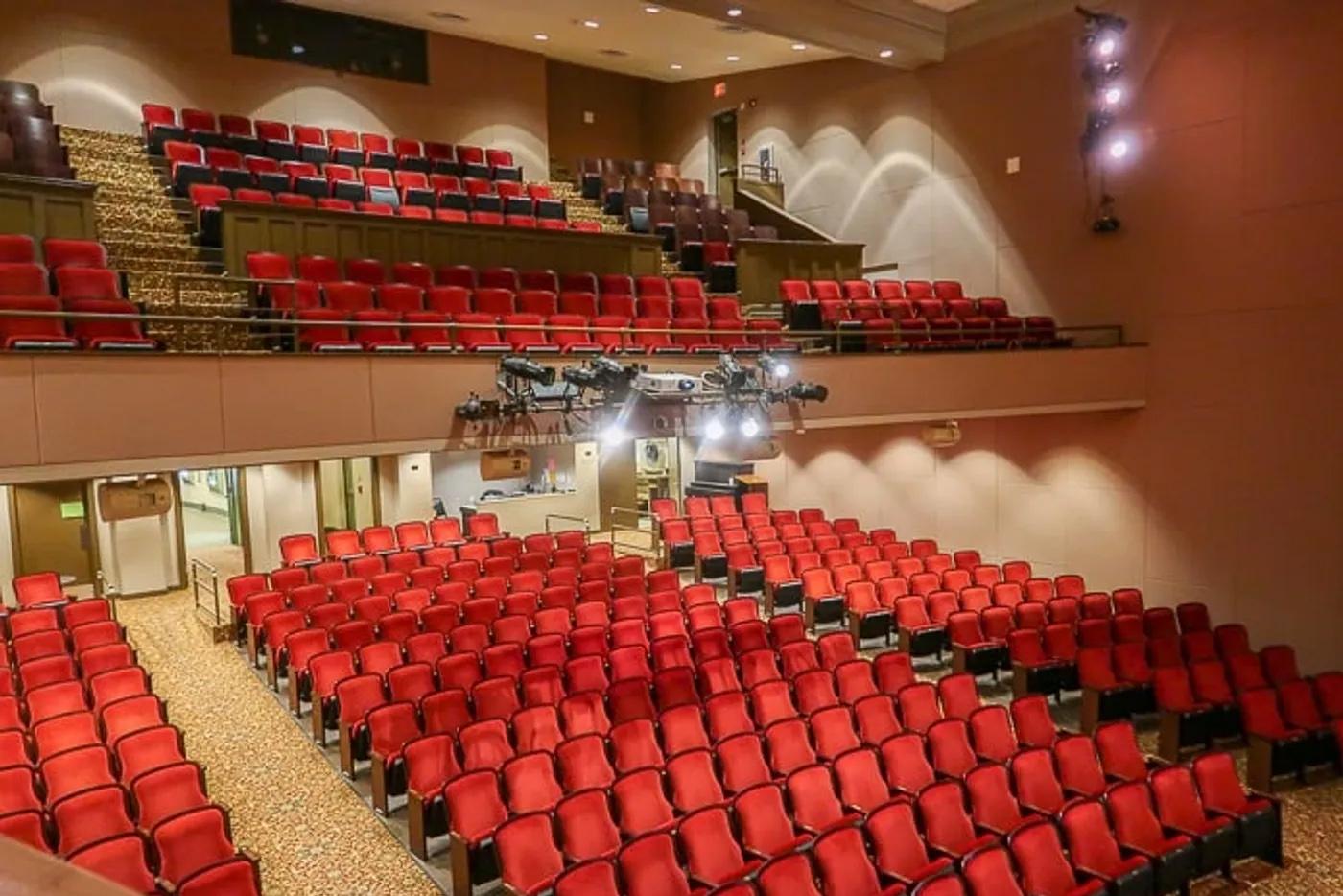
The former Vaudeville Playhouse on the second floor is now the Vaudeville Museum of the Southeast, and fundraising is under way to complete its restoration. People say they can feel a presence there. Visitors often report tugs on their shirts, phantom footsteps, and fire doors that open and close on their own. “Repeatedly, people who work in the theater have seen the same figure at the end of what is now a frequently used storage hall,” says Debra Torence, AOP's executive director. “A tall, stout man in a hat appears at the end of what we call our haunted hallway—an alley enclosed for storage in the mid 2000s. This hallway sits below the 1913 Vaudeville Playhouse, where a projectionist hanged himself.” A floating female figure has also been spotted in the adjacent Palace Theatre.
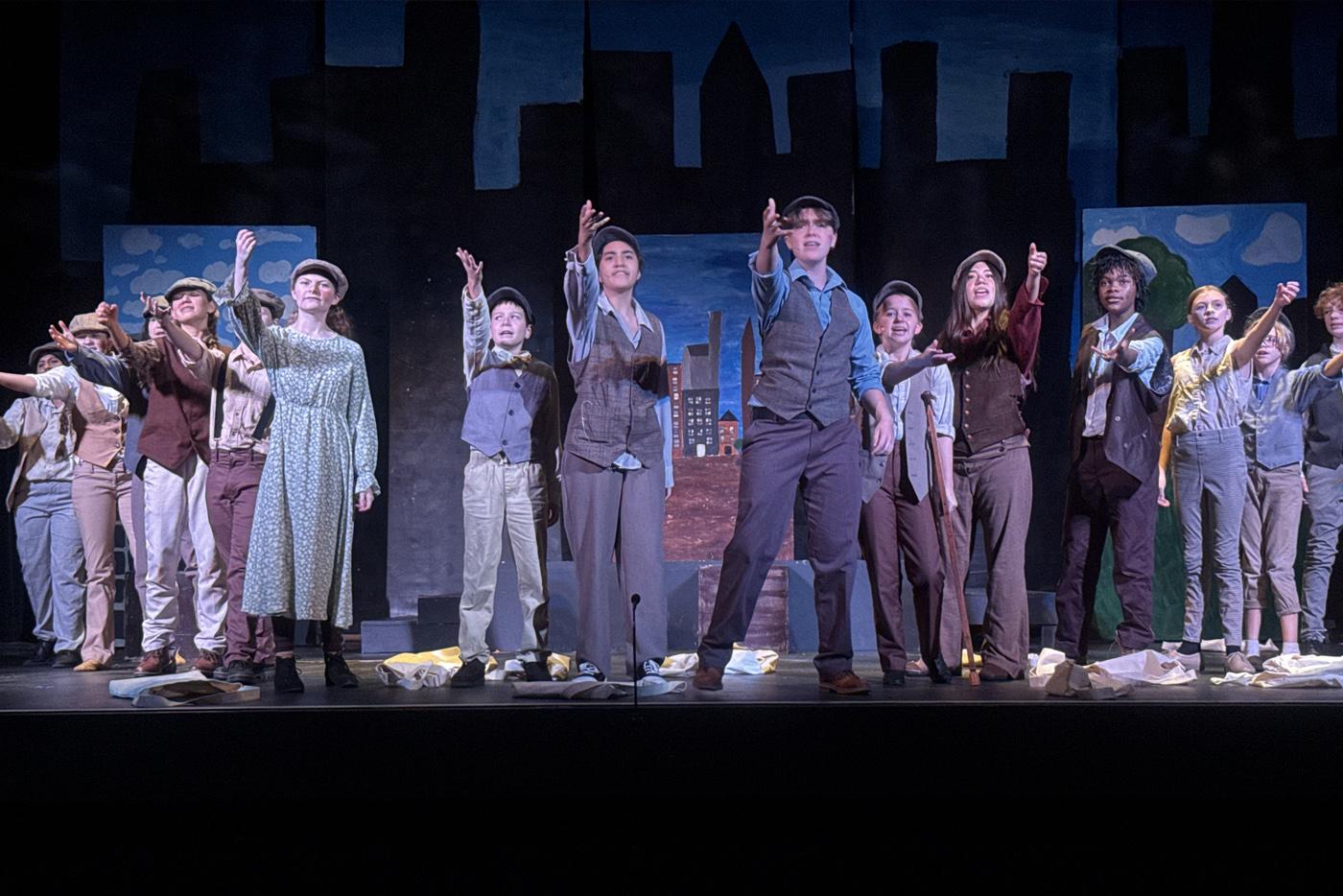
Today, the building pulses with life and community. One example is AOP's recent project with its AmeriCorps NC partner, Pamlico Rose Institute, and a neighboring restaurant, the Stubborn Mule Oyster Bar & Grill, to transform the back of the theater into a beautiful and useful community art space: the Living Canvas. This art and wellness garden provides a space for AOP to host workshops, meal events, movies, music, and more.
Arts of the Pamlico is preserving the Vaudeville Playhouse through individual donations and support from Preservation North Carolina, through its Stedman Incentive Award for Historic Preservation. Tours of the historic space are available through Forks of Little Washington. Year-round youth programs are offered—a 10 week arts camp, performing arts opportunities, leadership and internship experiences, and other creative pathways. This fall, the Turnage will feature a series of one act plays, and East Carolina University will bring an Italian opera to the stage. Soon, the holidays will fill the theater with seasonal films, music, celebrations, and a forest of decorated trees crafted by local community and nonprofit groups. Visitors can pick up the AOP's first Historic Turnage Theatre ornament this holiday season.
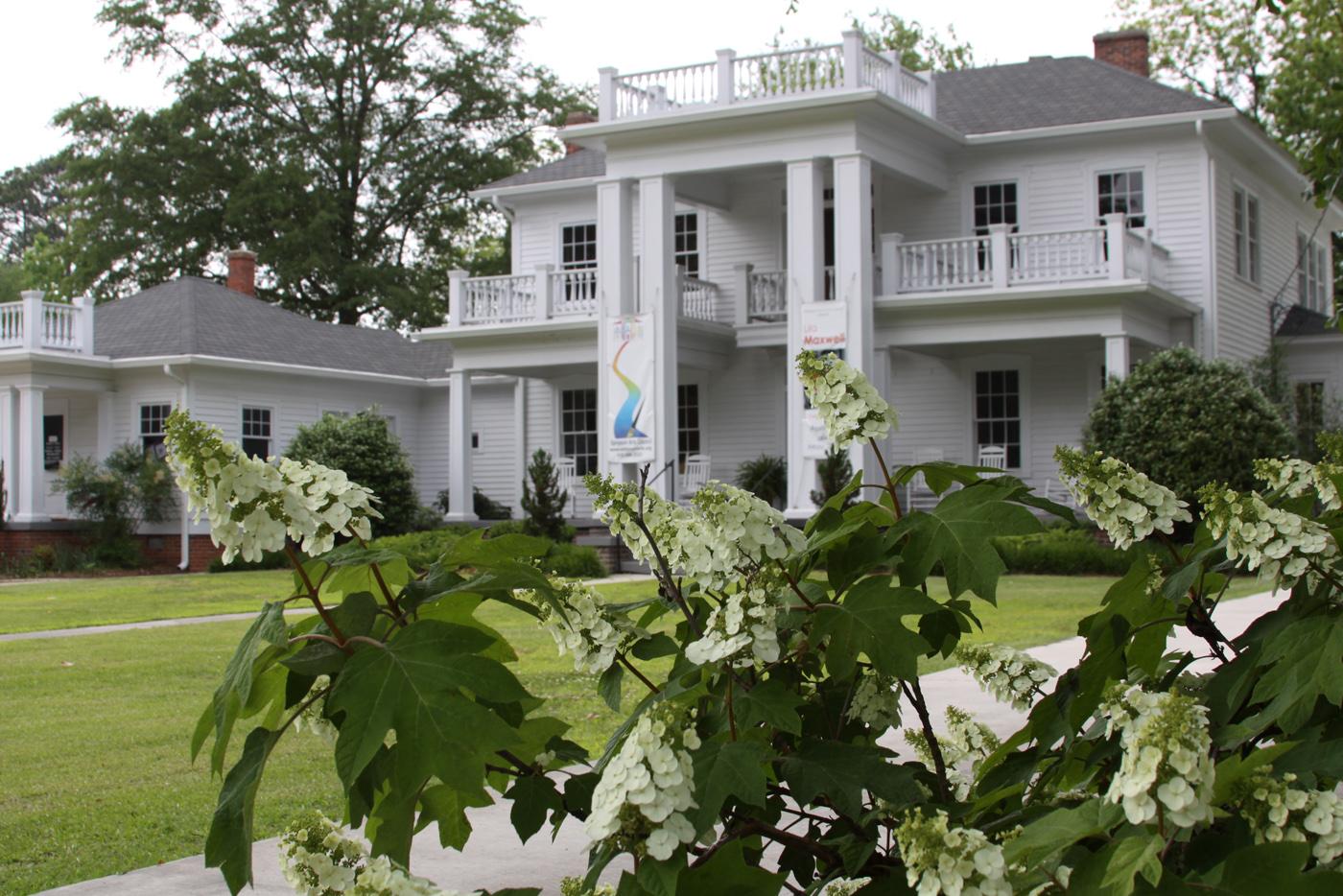
Sampson Arts Council
Visitors often report an eerie feeling when they step inside the stately Victor R. Small House, home of the Sampson Arts Council, in Clinton. A stately Greek revival-style home, the property’s history traces back to the mid-1800s, when Abram Hobbs bought the lot from Reverend Jonathan L. Stewart, a Civil War–era resident of Clinton.
While serving in France during the first world war, Dr. Small met his wife, a Red Cross nurse. After the war, the Ohio native and his wife settled in North Carolina. He worked for a time at Dorothea Dix Hospital, in Raleigh, before setting up a clinical practice in Clinton, in 1923. A curious, well-read, and creative man, the doctor wrote five books, including four collections of poetry.
Upon his death in the 1970s, the house was bequeathed to the county to be used for arts purposes, and in 2006, the Sampson Arts Council acquired it. After years of neglect, the arts council secured grants and funding to fully restore the house, and some believe that Dr. Small and others are hanging around to check in on the arts. Visitors, staff, and volunteers report ghostly voices, soft sighs, unexplained footsteps, and even apparitions. The activity grew so persistent that in 2012, the Travel Channel’s The Dead Files visited the house to investigate.
Kara Donatelli, executive director of the Sampson Arts Council, has seen and heard some unusual events in the house and has heard reports of others. “According to a previous director, Lois Weaver, Dr. Small and his wife, Susanne, did not get along very well,” Kara says. “Two oval photographs were taken of them when they were young and currently hang in the hallway of the house. The profile portraits were originally meant to face one another on opposite walls, but Dr. Small once told a longtime household employee that if they were ever hung that way, he would take them down. He said, ‘I had to live with her for all those years, and I don’t intend to look at her through all eternity.’ After Dr. Small died, the woman hung the photos face to face. The next day, she said his picture had been gently taken off the wall and placed on the floor. No one else had been in the house. Today, we hang the photos side by side, facing away from each other—the way Dr. Small requested.”
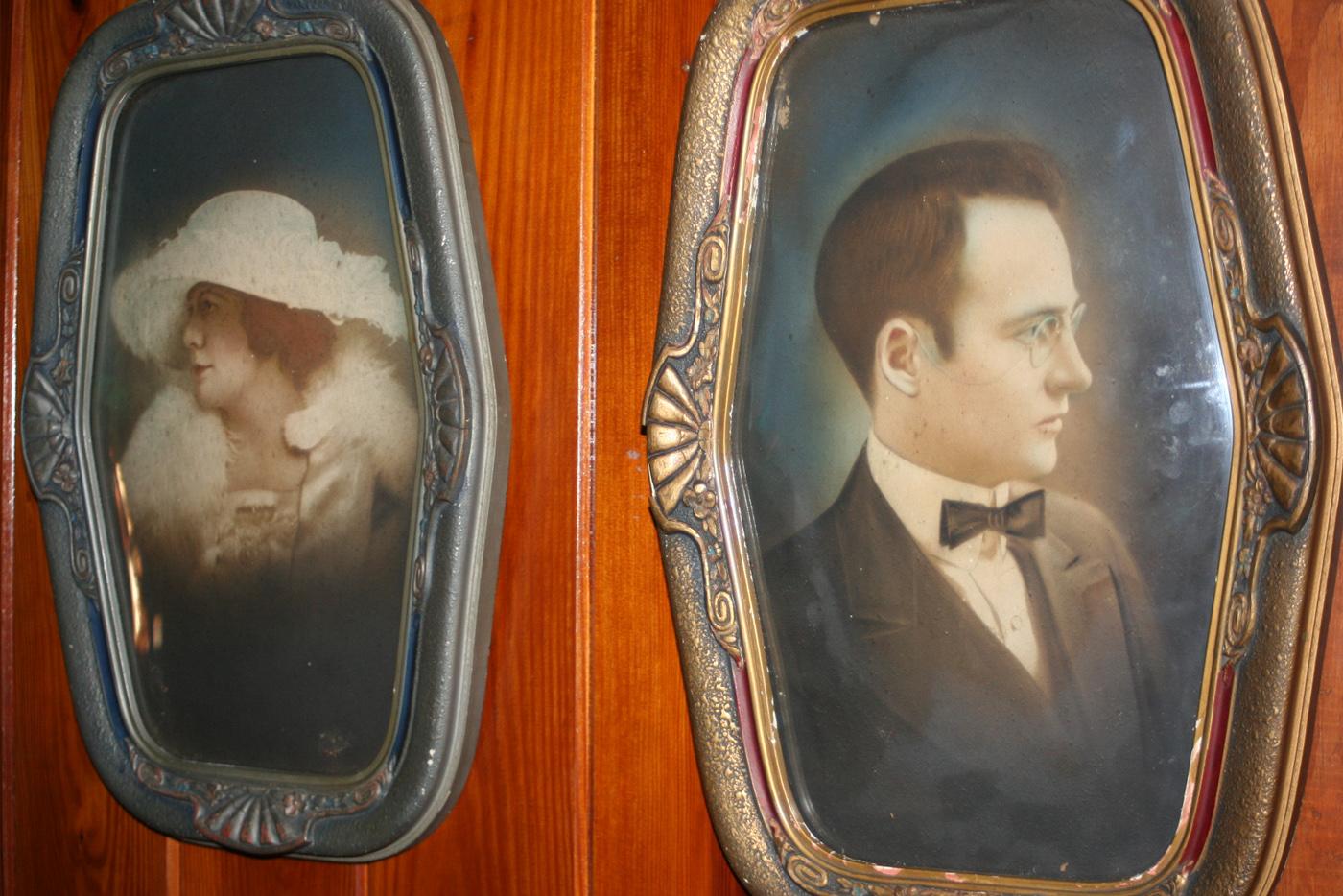
The doctor was considered a kind man and wrote much of his will himself, in which he remarked on the importance of the arts to the town. Whether or not Dr. Small still wanders the halls, his legacy endures in the work of the Sampson Arts Council.
Today, the council is a vibrant organization utilizing the Victor R. Small House as a gallery and education and event space. “During the past year, we presented and supported more than 65 arts programs and events, engaging more than 28,000 residents and visitors,” Kara says. The council's Artists in the Schools program impacted 2,366 students in pre-K through eighth grade and provided opportunities for students to learn from professional local and regional artists including Appalachian folk and Venezuelan music duo Larry & Joe, the weaving artist Jan French, the Chinese brush painter Grace Ho, and the American Indian potter Senora Lynch, a North Carolina Arts Council Heritage Awards honoree.
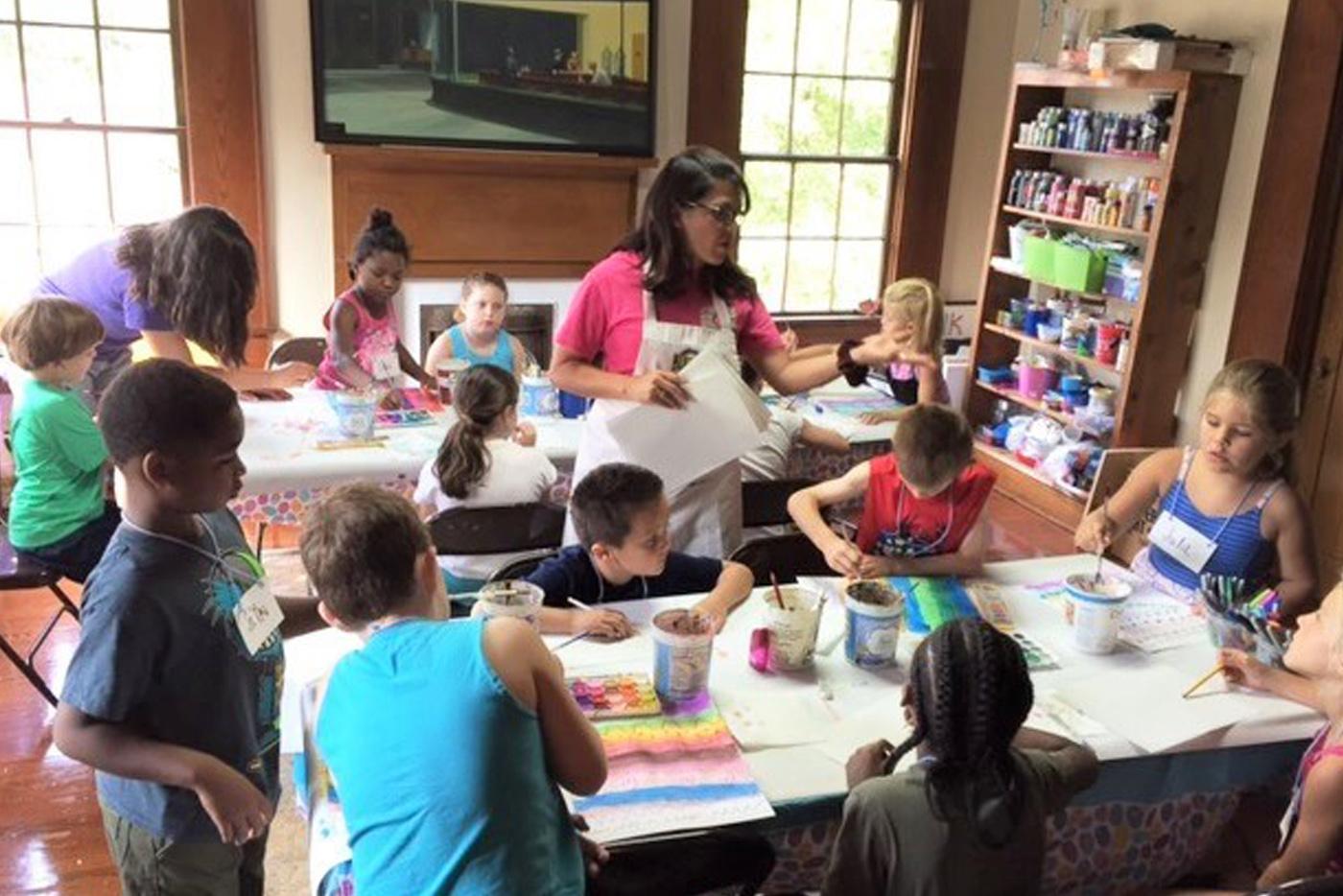
Beyond arts programs in schools, the organization provides workshops for adults and summer arts camps for kids. The Sampson Arts Council gallery showcases both established and emerging artists. This fall, the work of Senora Lynch will appear alongside that of other Indigenous artists— Keith Carter, Skyler Caison, Lotus Blossom, and Dreamweaver—in the council's exhibition Native Voices – Art, Culture & Tradition – a Celebration of Indigenous Artists. This winter, to celebrate the season, the Art For All Holiday Market will bring the work of 15 local and regional artists together for holiday shoppers.
All the organizations discussed here also serve their communities as North Carolina Arts Council Grassroots Arts Program partners.