
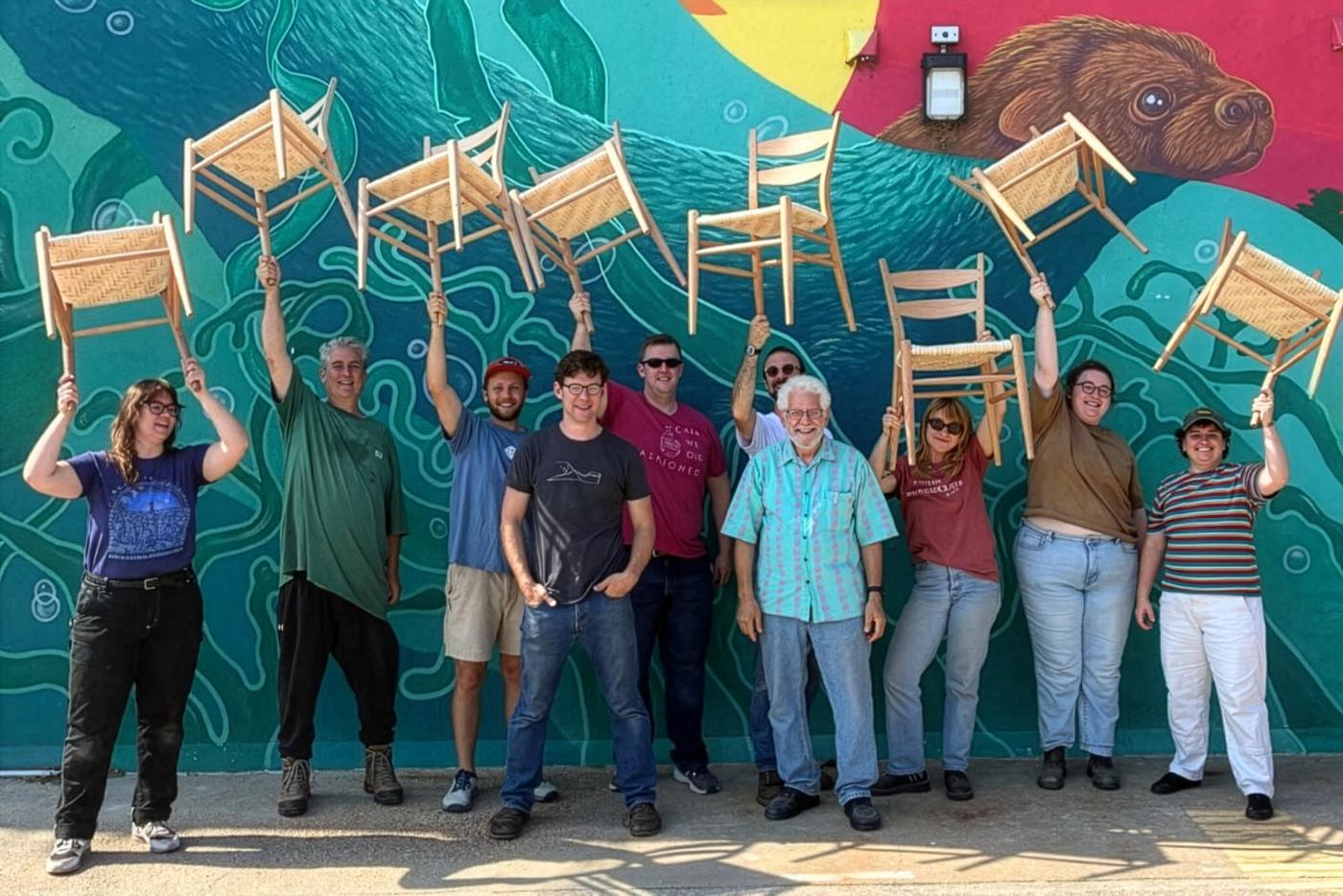
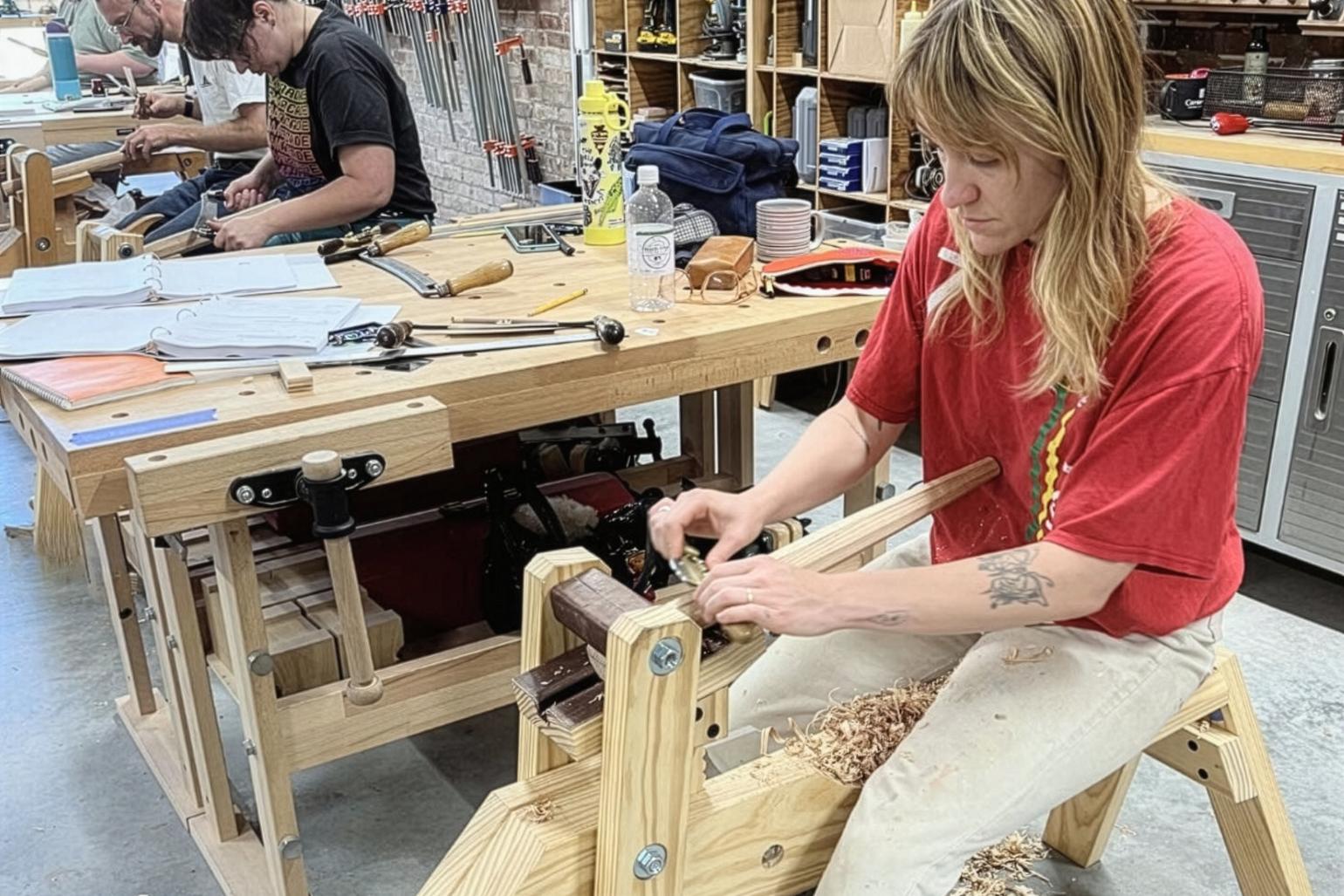
Header image: A class of woodworking artists with hand-crafted chairs. Photo by Sarah Grace Cheek, courtesy of Pocosin Arts School of Fine Craft.
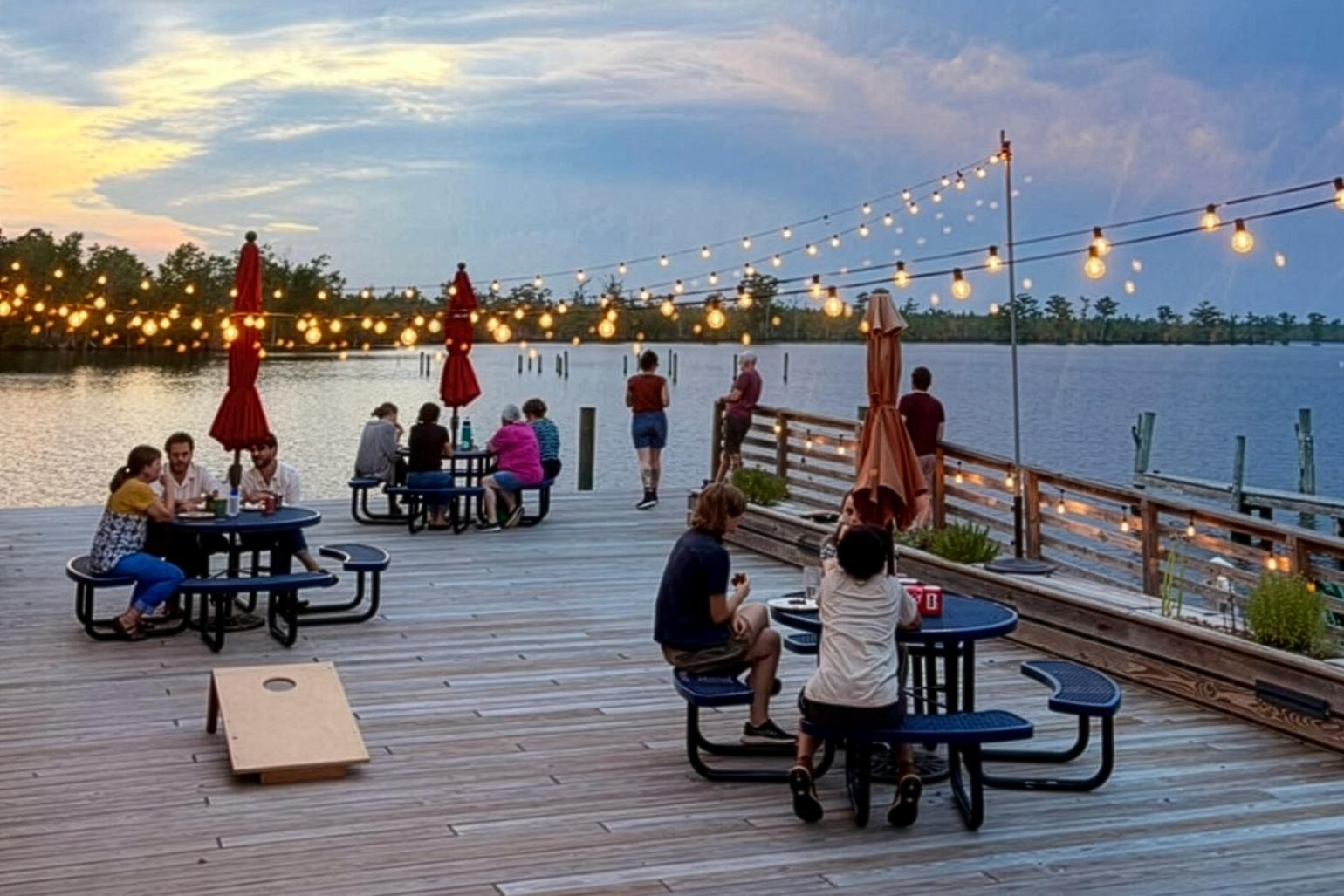
Ensconced in small town charm and the natural beauty of coastal Carolina, the nationally renowned Pocosin Arts School of Fine Craft draws you in. The school’s spacious, light-filled studios line the gently flowing Scuppernong River, offering views of unspoiled Carolina beauty. “Pocosin Arts has been part of the Columbia community for more than 30 years,” says Gretchen Schermerhorn executive director of Pocosin Arts. “Feather Phillips founded Pocosin in 1994 with a vision for creating an arts organization that connected people, place, culture, and the environment. She saw something special in this part of eastern North Carolina and believed the arts could be a way to explore and celebrate those connections.”
Today, the school is celebrated for exceptional craft instruction in many formats, including in person workshops where artists can be inspired by the area’s natural beauty. Just beyond the studios, Pocosin Lakes National Refuge unfurls, draped in green mystery. The rare wetland type known as “pocosin” can be found only in the Southeastern US and is dense with flora and wildlife. Here, the environment lives as part of Pocosin Arts’ culture, drawing artists worldwide to create and leave renewed. The school hosts approximately 230 workshops each year, both in-person and virtually, offering multiple ways to connect with art.
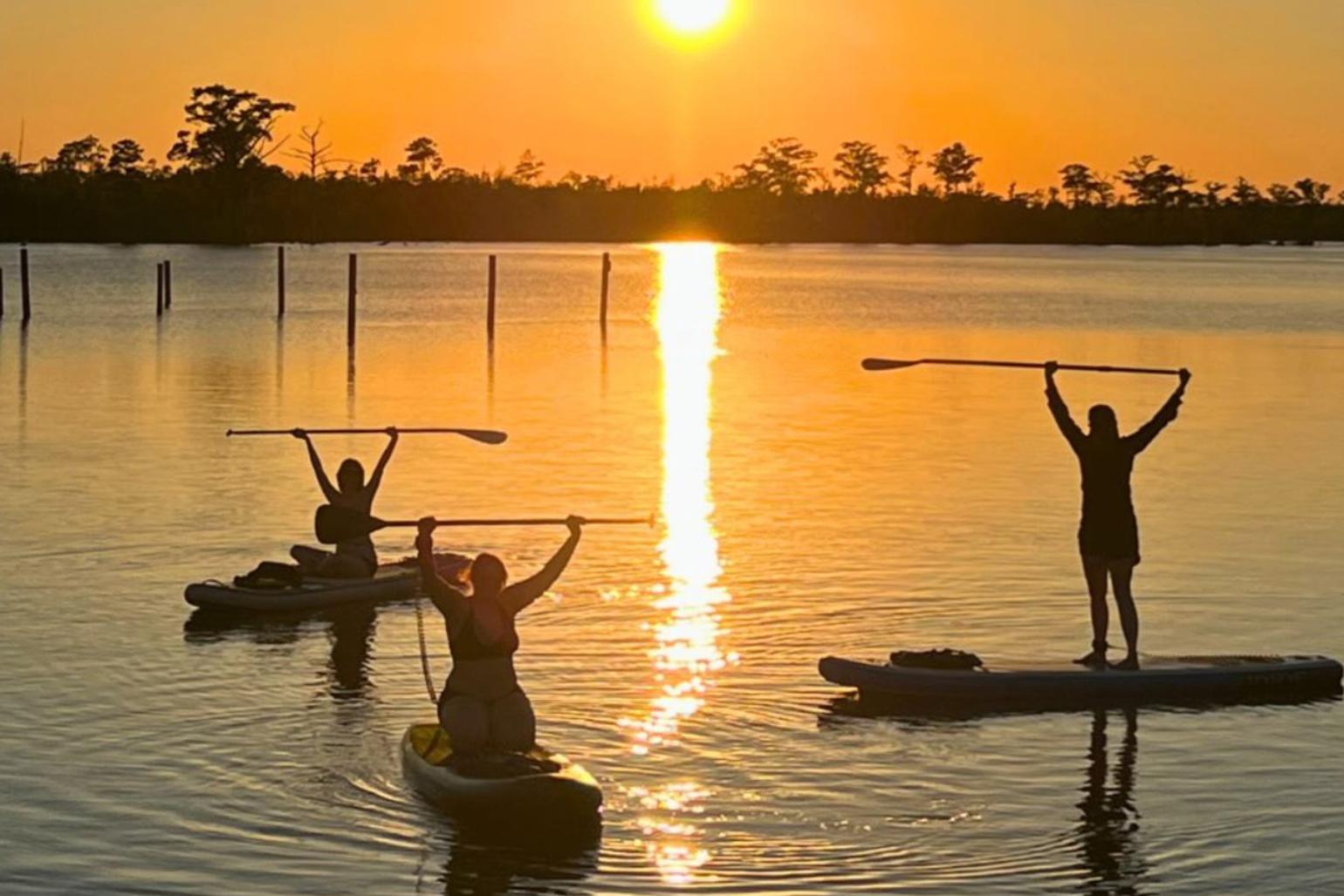
“Someone might spend a week in Columbia during our summer on-campus workshops, learning from a nationally recognized artist, join a live workshop from their home studio across the country, or bring their family to a free art activity led by a Pocosin artist, at the local library,” Gretchen says. The in-person workshops have the added benefit of allowing meditative time in nature. “We build in outdoor activities such as paddle-boarding, pontoon boat rides, swimming and nature walks that really add to the local experience workshop participants and instructors can do while they are at Pocosin. We are lucky that our town owns a pontoon boat and generously gives our workshop participants tours on the Scuppernong River as part of their workshop experience.”
Conservation is never far from mind in this region boasting an abundance of black bears, and an estimated 19 to 21 wild red wolves, the only known population of the latter in the world. For artists, this setting naturally influences their work, through its colors, forms, materials, or simply by heightening their sense of place.
“There’s also something about the pace of life here,” says Gretchen. “Our residency artists have the time and space to settle into their work—to spend a whole day in the studio, walk along the river, or take a break and explore the surrounding landscape. That kind of uninterrupted time can be rare.”
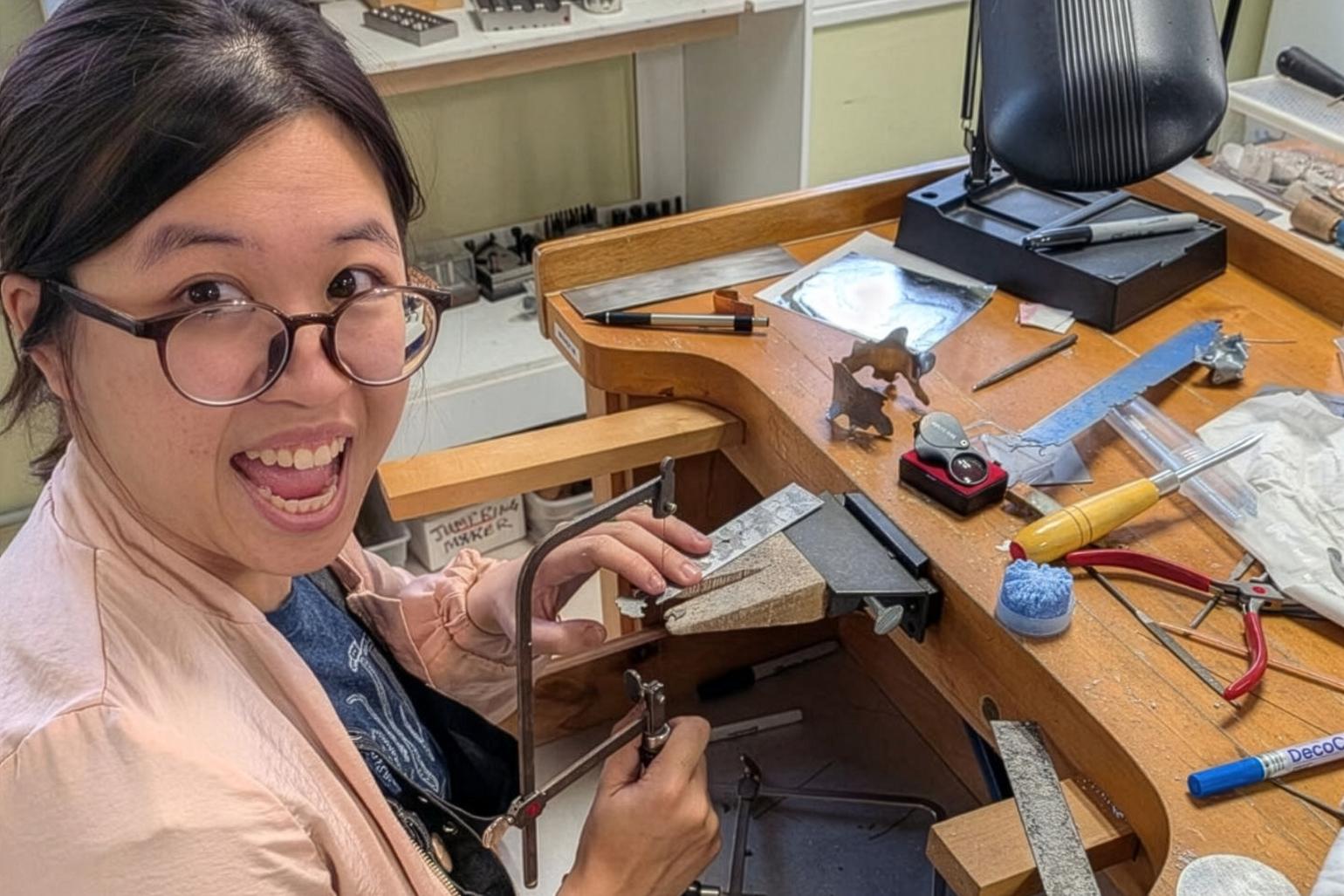
But it isn’t nature alone that attracts the best of the crafting world to this renowned school. Artists attend Pocosin from across the country, teaching and taking workshops, and in the process leaving an indelible mark on the culture of the school. This cultural and creative exchange offers the artists a special experience as they begin or deepen their craft journey. For new artists, the school’s “Try It” workshops offer brief, hands-on introductions to different materials and techniques — an easy way to step into craft without a significant time investment. Weekly classes build on that initial training, giving students room to expand their skills in ceramics, metals, woodworking, and other areas. Open studio hours extend this learning, providing the space to practice and experiment while exploring the school’s creative community.
More experienced artists often favor the longer summer workshops, in which visiting instructors share techniques refined through years of work. Private lessons offer focused guidance on individual projects, while seasonal and self-directed residencies provide artists with uninterrupted time to hone their artistic practice.
While creating in-person offers the fullest experience, Pocosin’s robust offering of virtual lessons and workshops allows participants to take advantage of world-class instruction regardless of location. “Our live online workshops have their own kind of magic. Participants can join from anywhere, but they are still able to interact with the instructor in real time, ask questions, watch demonstrations, and connect with other artists and creatives.” Recorded workshops are also available in the school’s online library. Simply put, the school follows the principle that creating art should be something people can enjoy regardless of location or previous artmaking experience. “Whether someone joins us in our studios in Columbia, at the library, at the wildlife refuge, at the senior center, or from a home studio hundreds of miles away, we want them to feel that they have a place at Pocosin Arts.”
Situated in the center of downtown Columbia NC, Pocosin Arts keeps community at the heart of everything. A downtown location gives the acclaimed craft school a chance to collaborate closely with the town and county, while staying woven into the daily life of local residents. “We’re seeing those connections happen in small but meaningful ways. For example, we’re partnering with the Tyrrell County Chamber of Commerce to repaint the “Welcome to Columbia” sign. It’s a simple project, but it’s also a fun example of how we can use what we do at Pocosin to contribute to the community in unexpected ways.” The school also has partnerships with the Tyrell County Senior Adult Activity Center and Columbia High School. At the adult activity center, the school brings free hands-on arts programming to seniors and welcomes many into their studios. For high school seniors, a short walk from the school to the studios each week affords them free classes in ceramics, metals, and woodworking. “They’re not just learning a craft—they’re becoming part of a creative community right in their backyard. I love that Pocosin can be a place where an artist travels from across the country to teach a workshop, while a local family comes in for a free art activity and runs into neighbors, or a high school student walks over from school to learn in our studios. I’m excited about finding more ways to build those connections and make Pocosin an even more active part of our community. We have a national reputation, but our home is Columbia—and I think that combination gives us something pretty special.”
Community, exceptional craft education and beautiful natural surroundings make Pocosin Arts one of North Carolina’s most compelling creative havens. As Gretchen states, “Our mission today is ‘Enriching lives through craft education and artistic experiences,’ and I think that is really the continuation of what Feather started. We’ve grown and changed over the past 30-plus years, but the heart of Pocosin remains the same: creating opportunities for people to learn, make, connect, and see their own community and surroundings in new ways. We’re building on a vision that began here more than three decades ago and finding new ways for it to matter to the community today.”