
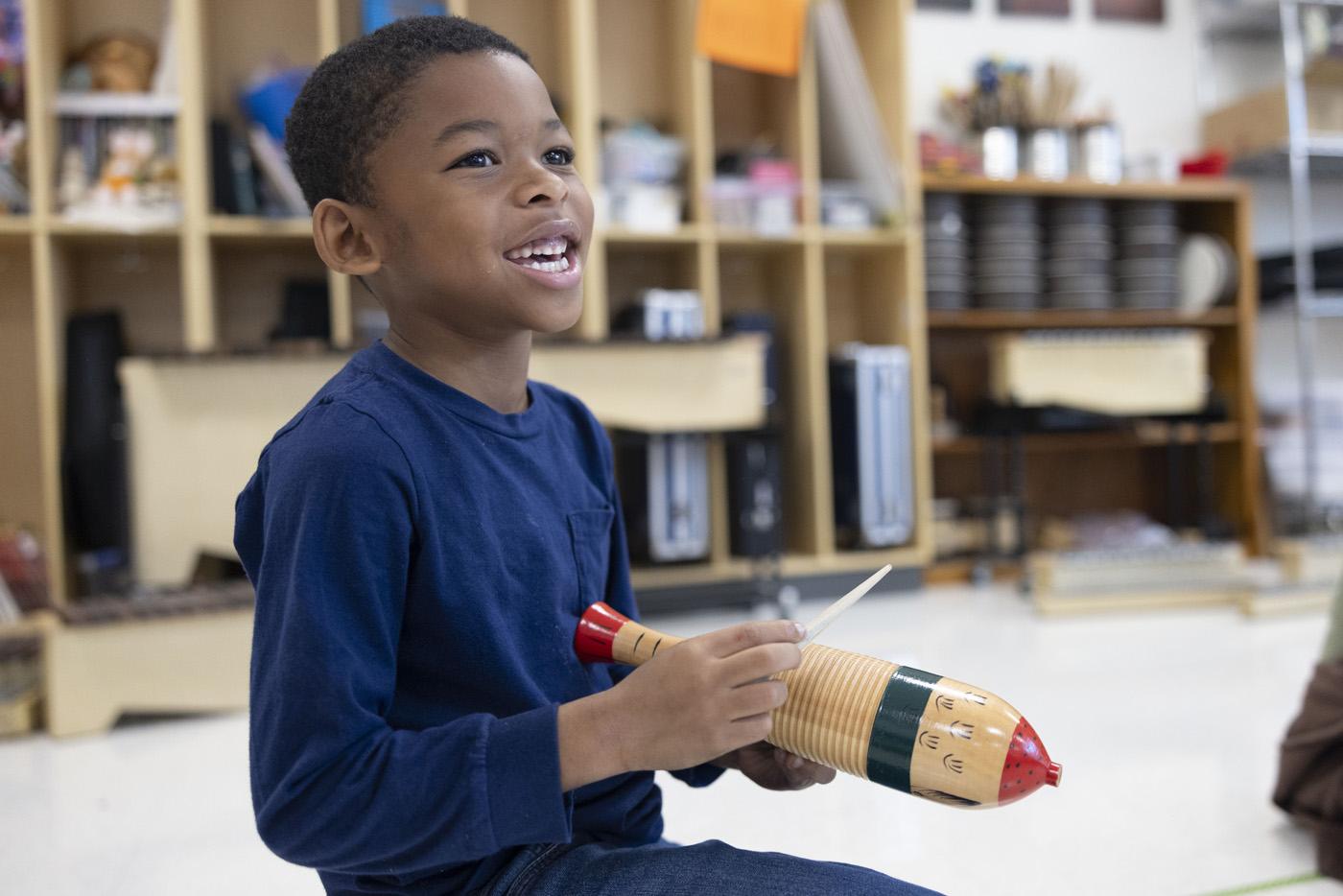
Header image: A student playing a wooden percussion instrument, a fish guiro. Photo by Tibor Nemeth, courtesy of NC Arts Council.
In 1995, a group of visionary leaders recognized the powerful impact of the arts in the classroom. Students were more engaged, teachers were energized, and learning felt deeper and more joyful. Seeing the need for wholeschool transformation, these leaders joined to create the A+ Schools of North Carolina model, which quickly proved its effectiveness. Today, more than 60 schools across the state are part of this network, each committed to weaving the arts seamlessly into standardsbased instruction.
What sets A+ Schools apart is the belief that the arts aren’t an add‑on—they are a catalyst for growth. Through intentional arts integration, teachers create dynamic learning environments where students collaborate creatively, build critical thinking skills, and show measurable gains in engagement and achievement. When the arts are threaded throughout the day, students thrive as they discover multiple ways to learn and express themselves. Because teachers feel empowered to innovate, they report higher job satisfaction and demonstrate stronger long‑term retention.
Years of research confirm what educators have seen firsthand: arts integration boosts student engagement, strengthens learning retention, and improves academic outcomes. According to Americans for the Arts, “Students in schools that offer arts-integrated learning are more likely to show better academic outcomes, transfer knowledge from arts to non-arts domains, and demonstrate greater motivation and engagement in learning.”
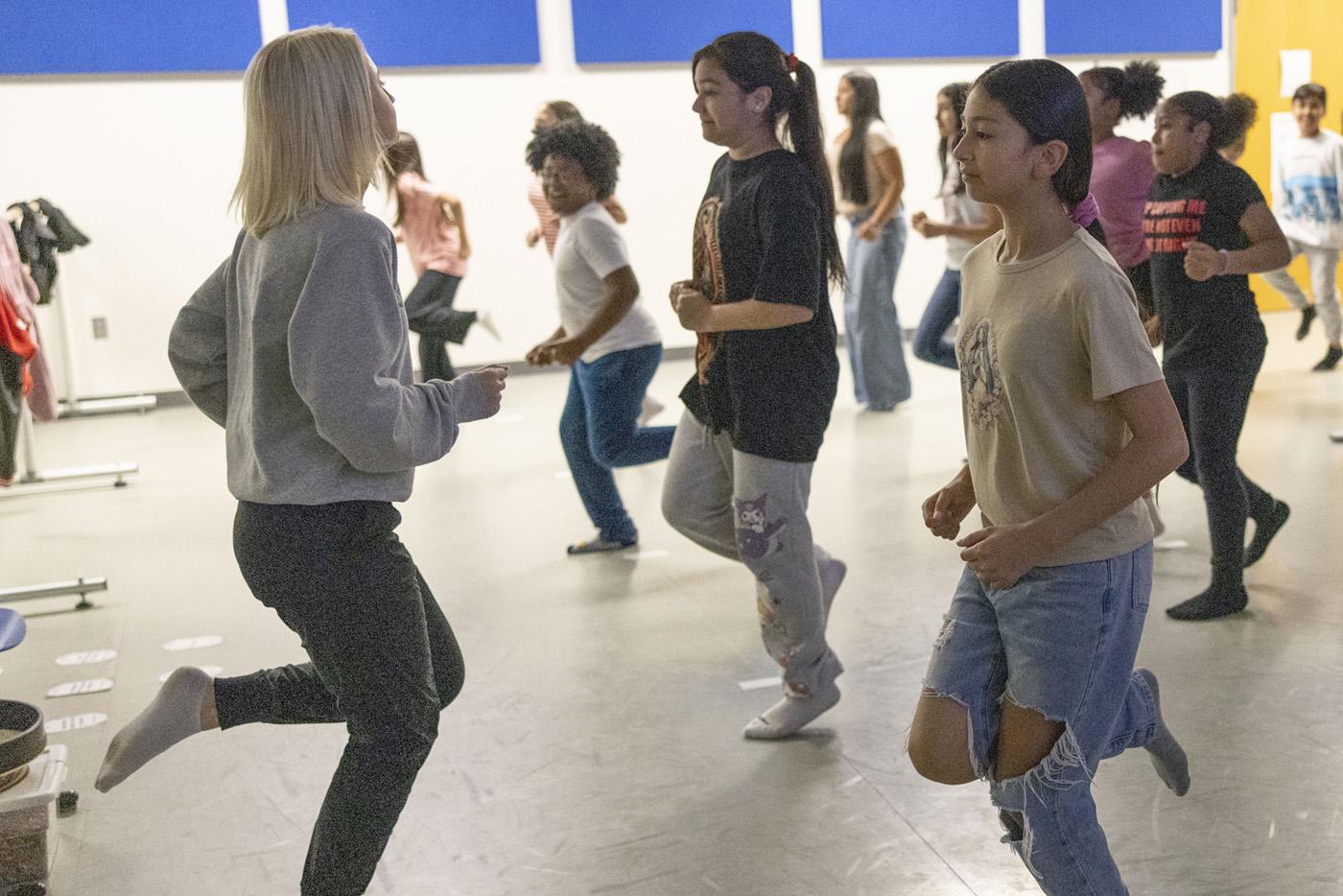
Educators and students across the network consistently describe the difference arts integration makes:
“We have seen kids really open up since we started with A+. Academically, they’re more engaged because lessons are more creative and hands-on. Socially, they’re working together more, and even the quieter kids are finding their voices. Emotionally, students have a lot more confidence. We have had students who didn’t think of themselves as ‘good at school’ suddenly shine and thrive because the arts gave them another way to show how smart they are.”
—Melody Marsh, Principal, Royal Oaks School of the Arts, Kannapolis
“I used to hate going up in front of the class, but because we do plays in class, I feel better about getting up in front of people.”
—Saluda Elementary student
“Since adopting the A+ model, we’ve seen our students grow in ways that go far beyond test scores. Many of our children come to us with limited exposure to the arts and sometimes with social-emotional challenges related to poverty. Arts integration has helped them find their voices, build confidence, and take pride in their work. Academically, we’ve seen more students willing to take risks, stay engaged, and persist in problem-solving. Socially and emotionally, students who once struggled to participate now collaborate, share ideas, and express themselves more freely. The growth isn’t just in numbers—it’s in the joy, confidence, and resilience we see every day.”
—Miriam Stiwalt, A+ Coordinator at China Grove Elementary, Rowan-Salisbury Schools
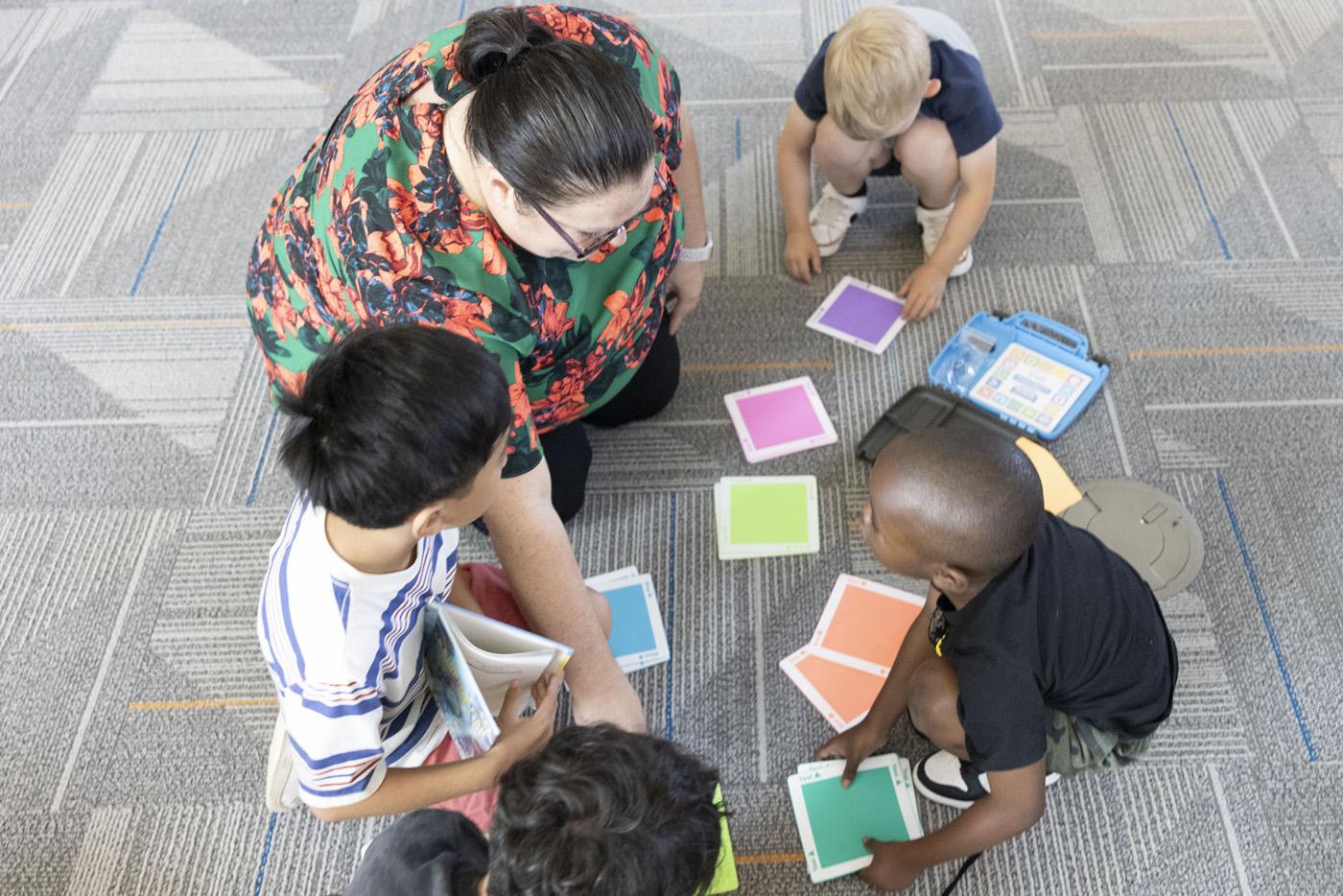
“I try harder at reading because we act out the stories and it makes me understand them more.”
—China Grove Elementary student
Over 30 years of refinement, the professionals within the network—teachers, administrators, A+ Fellows, and A+ staff—have developed practices and insights that extend far beyond the network. Many schools across North Carolina are eager to enrich instruction, strengthen teacher morale, and bring learning to life through the arts, even if they are not part of the A+ network. To meet this need, the North Carolina Arts Council’s arts learning team is broadening access to arts‑integrated learning statewide.
By adapting the most effective A+ practices into flexible resources and professional development opportunities, the team is creating tools that schools regardless of size, location, or resource level can use to integrate the arts in daily instruction. In the coming months, the arts learning team will begin to introduce these tools and offer training so that teachers and administrators can use them well.
This work represents the next chapter in a three‑decade effort to enrich learning for students through creativity and collaboration. We are eager to share the knowledge gained from A+ Schools more broadly and to help more schools create the engaging, arts‑rich learning environments that students deserve.