
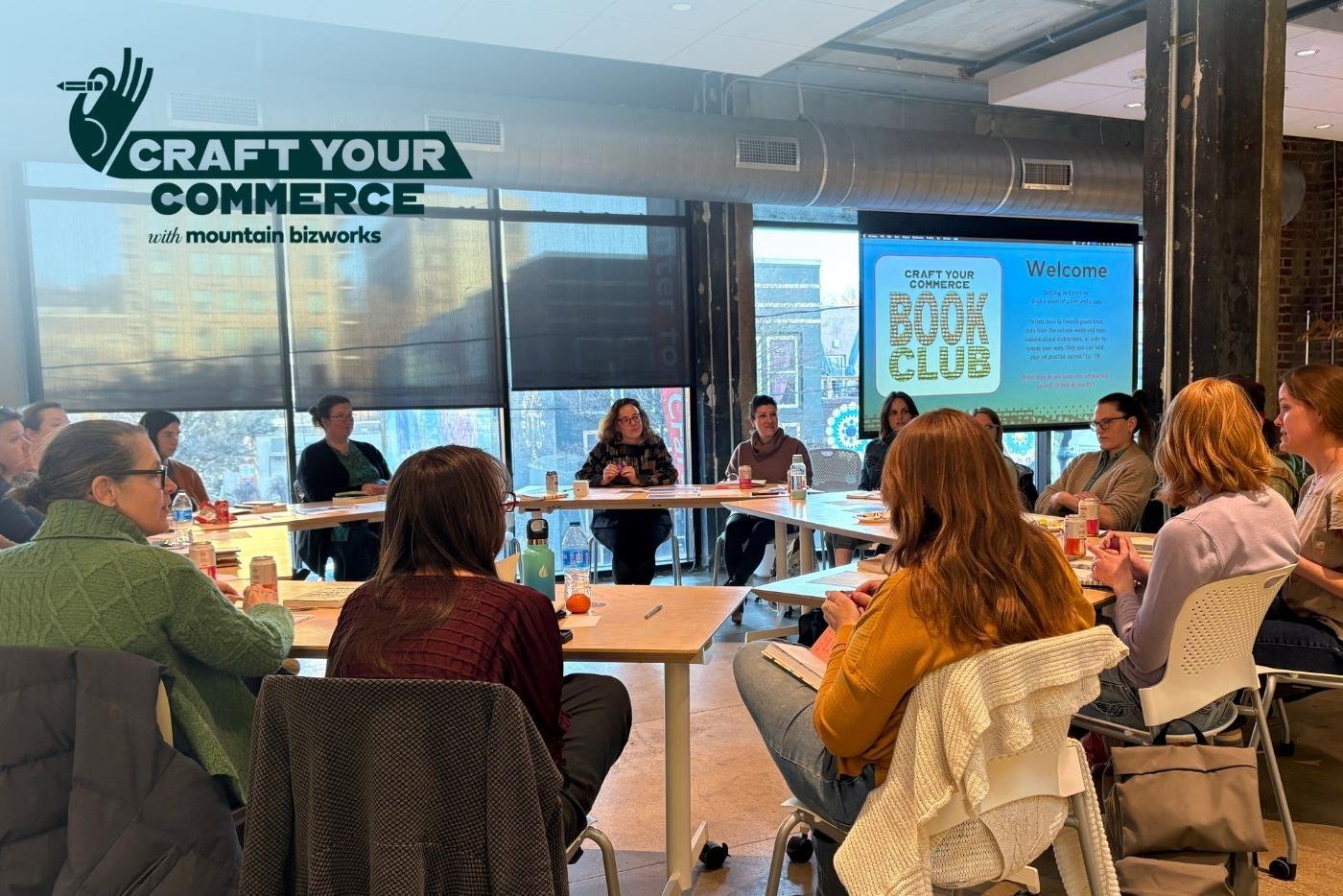
Header image: Craft Your Commerce book club. Image courtesy of Mountain Bizworks
Navigating the business side of being an artist, crafter, or maker can be overwhelming. As creative people professionalize their work, business planning and strategy take center stage. Based in Asheville, Mountain BizWorks, a community development financial institution, created the Craft Your Commerce program to guide artists and craftspeople through these challenges and help them grow sustainable businesses. We spoke with Jamie Karolich, who directs the program, about its evolution, the hurdles the staff have faced, and their vision for the future.
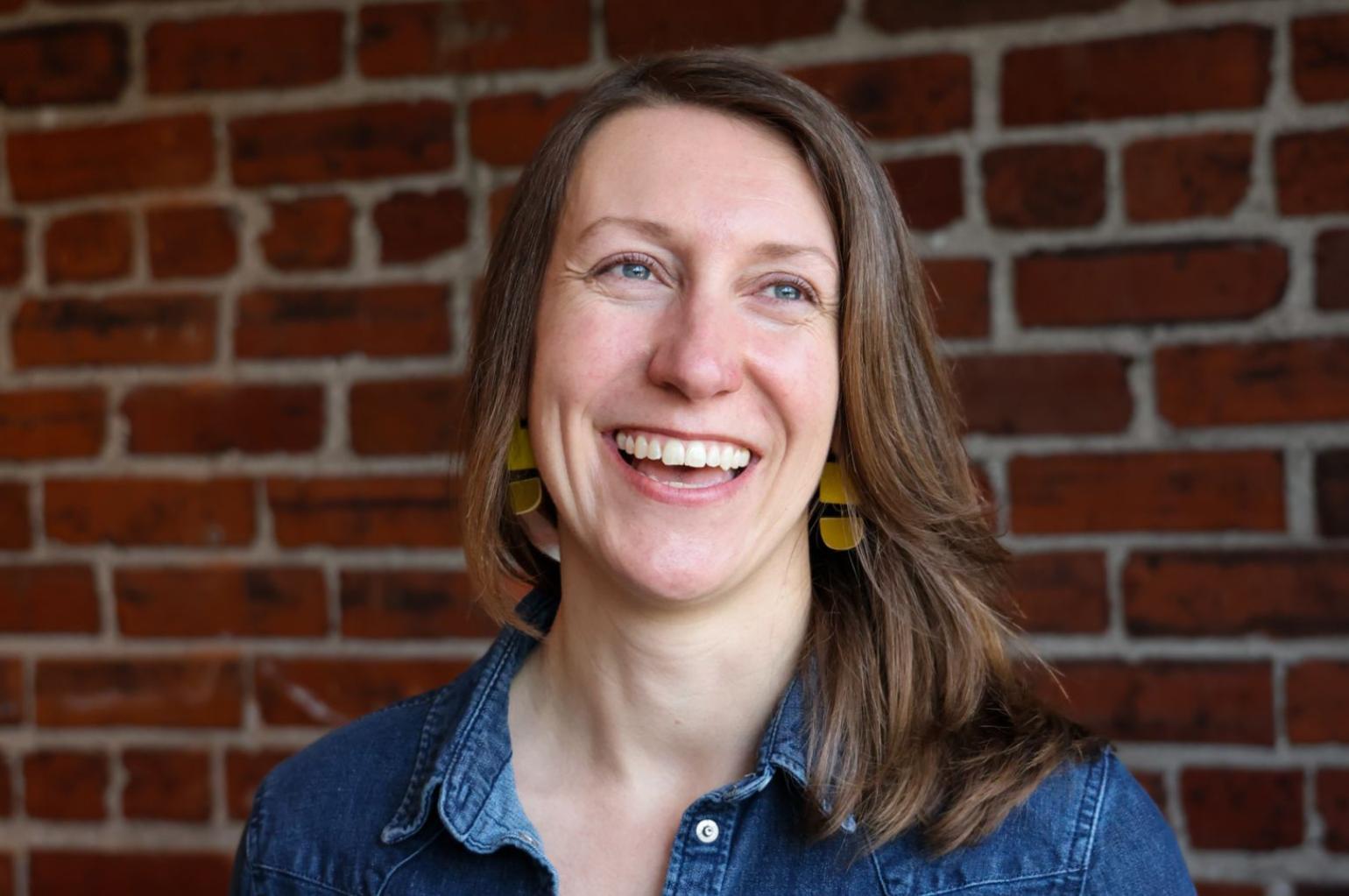
Would you give me an overview of Mountain BizWorks and Craft Your Commerce?
Mountain BizWorks is a community development financial institution (CDFI), which is a long way to say we can give loans to small businesses. We work in the 26 most-western counties of North Carolina, providing loans, one-on-one business coaching, and educational programs. Our services are anything from starting your business, to scaling your business, to selling your business, and all the things in between. We teach about financials, working with QuickBooks, marketing, and other tools that you need to have a business. Mountain BizWorks focuses on three segments that we have identified as the biggest economic drivers in western North Carolina: being outdoors, food and entertainment, and art and craft. And that’s where Craft Your Commerce comes in. The services we offer at Craft Your Commerce are like a lot of the services from Mountain BizWorks, but they are tailored to artists and craftspeople who are hoping to start a business, are already in business, or are looking to sell their business. Mountain Biz Works just had its thirty-fifth anniversary last year, and Craft Your Commerce has been around for about seven years. It started with a collaboration between the University of North Carolina at Asheville and the Center for Craft. Mountain BizWorks was brought in because of our connection to business loans and pathways to coaching. We still work closely with the Center for Craft, and also with Arts AVL and the North Carolina Arts Council. We've received grants for programing, so, a big thank-you and shout-out to the North Carolina Arts Council for supporting us.
What services does Craft Your Commerce offer to artists?
We have coaches who are artists and craftspeople themselves or who work only with artists in business. We have lists of accountants, marketing professionals, website developers, and photographers with whom artists can consult for projects. They can be paired with a coach to guide them and give some constructive criticism for a specific project.
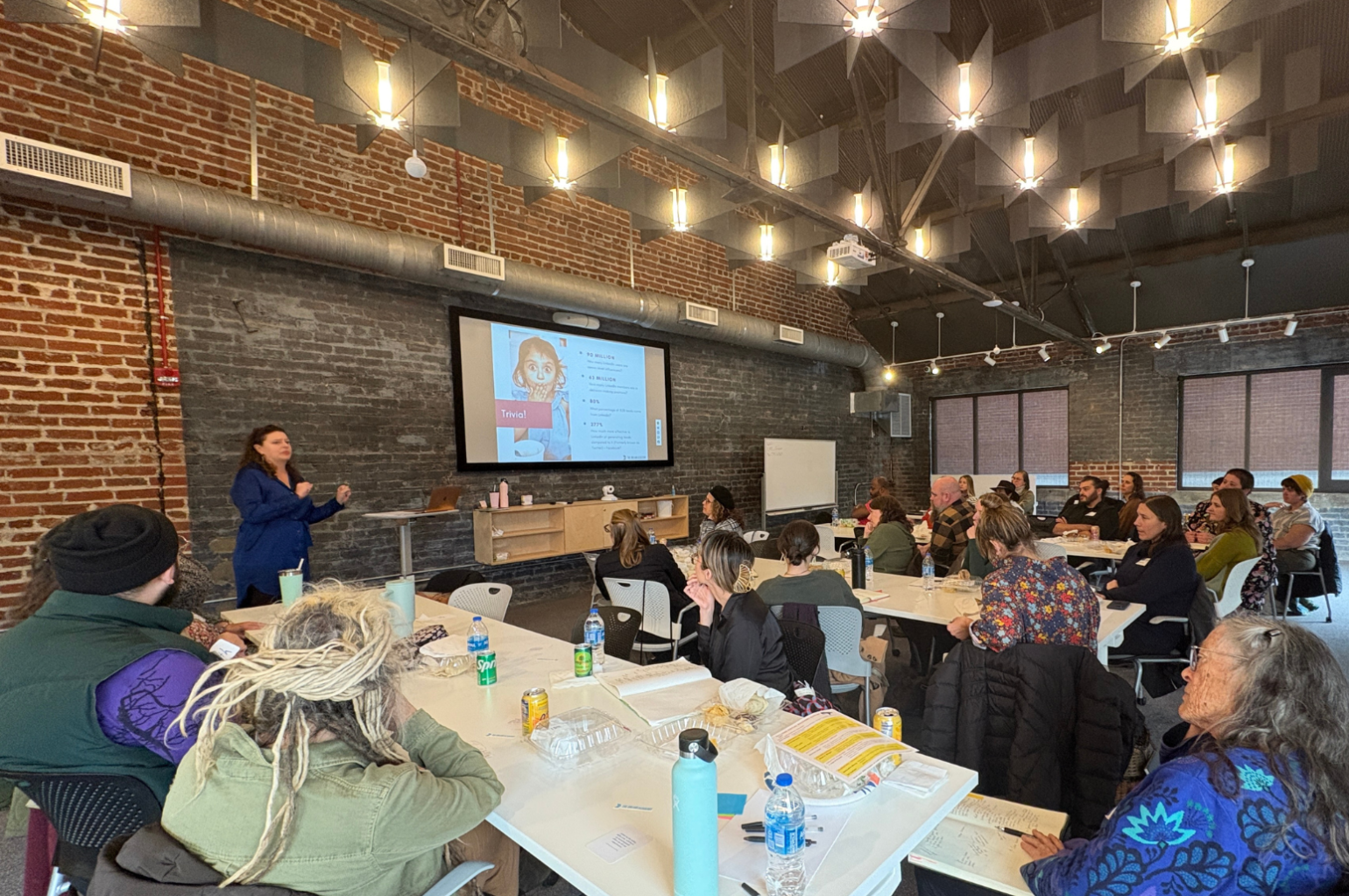
We also have tailored learning programs such as Craft Your Commerce Connect, which is a once-a-month two-hour workshop series. It offers a deep dive into a specific topic, and it’s also great for connecting to peers. Recent courses are Google 101 and Designing a Style Guide That You’ll Actually Use. We also have longer-term classes, such as an accountability group for financials. In that group, participants may also discuss problems they’re struggling with and get feedback from professional accountants. Show Ready is a program to help artists prepare for craft fairs. Our Crafting Your Path, Get Started Workshop is for people early in their businesses who are laying their foundation.
Do you partner with other organizations in the region?
We do some one-on-one programing with such regional partners as Penland School of Craft, John C. Campbell Folk School, Museum of the Cherokee People, and all the arts councils in western North Carolina. We go to those communities and run programs that address specific needs there. We tailor what we provide to the community we’re working with. It’s important to us that we have a deep dialogue with those organizations and those partners.
What advice do you have for artists in business?
If you're selling your work, you're in business. That's a lot of what we talk about. I like to refer to business as another work of art that you're creating in your studio. It should be treated the same way. You should always be stepping back and looking at it to evaluate, “Do I like what's happening? Should I tweak this?” Always engage with it, because being in business is about making choices that are aligned with your values, and what you want for the future.
How did Hurricane Helene affect Craft Your Commerce and the artists you serve?
Craft Your Commerce has weathered two major storms. During Covid we pivoted to virtual programing. As Covid subsided, we kept some virtual programs in place and hopped back to more in-person work. When Hurricane Helene hit, we heard from artists that they wanted a lot more programing in person. They wanted to be together.
Prior to Helene, we had a spring and fall series of six workshops tackling a specific theme. After Helene hit, we shifted to Craft Your Commerce Connect, with year-round programs meeting once a month. Folks have really enjoyed that. We also raised some money and ran a grant program for 34 artists who were impacted by Helene. Artists received unrestricted grant funds along with $1,000 in technical assistance, which they were able to use to hire help from an expert such as an accountant, a photographer, or a web designer. A lot of artists were pivoting to e-commerce after Helene to move into new markets, so those dollars were set aside for them to make that transition.
Another group impacted by Helene that received money from us consisted of larger craft businesses with five to ten employees and nonprofit organizations. They got the same thing artists did: unrestricted grant funding plus $1,000 in technical assistance.
Both of these cohorts received entry to a six-month program teaching them how to leverage the funds that they received and how to rebuild.
We also connected with some realtors to help folks relocate to new spaces. We wanted to respond to people's needs, and we did this by listening to them and bringing professionals to speak on topics such as resettling, setting up a studio, and applying for grants to replace equipment or materials that had been lost.
We wanted to help people figure out how best to leverage grant money and set themselves up for longer-term success.
A beautiful ecosystem and community is evolving. For better or worse, during Helene, artists were engaged in this work because they had many questions and needs. Our goal is to demystify business development and make sure that we can answer questions efficiently and simply.
Some people had applied for grants before, but we also saw many who had not, or who worried that they didn't have the materials to do that successfully. They needed help with things like headshots and writing. We brought in writing coaches and copy editors. Three coaches during Helene were from other parts of the country. They wanted to help, so they provided their services to artists for free. That was amazing.
At our first meeting after Helene, everybody was crying. You know, it was just heavy. Everybody was having a hard time—reasonably so. But three months into recovery, almost everyone in the program had relocated, had set up a new studio, was open for business, and was making sales. Our community demonstrated how adaptable and resilient people are. The creative community is scrappy, and its rebound was incredible to see. I feel so proud to have been a part of that journey, and proud of all the work that folks did to reestablish themselves.
Do you have any new programs coming up next year?
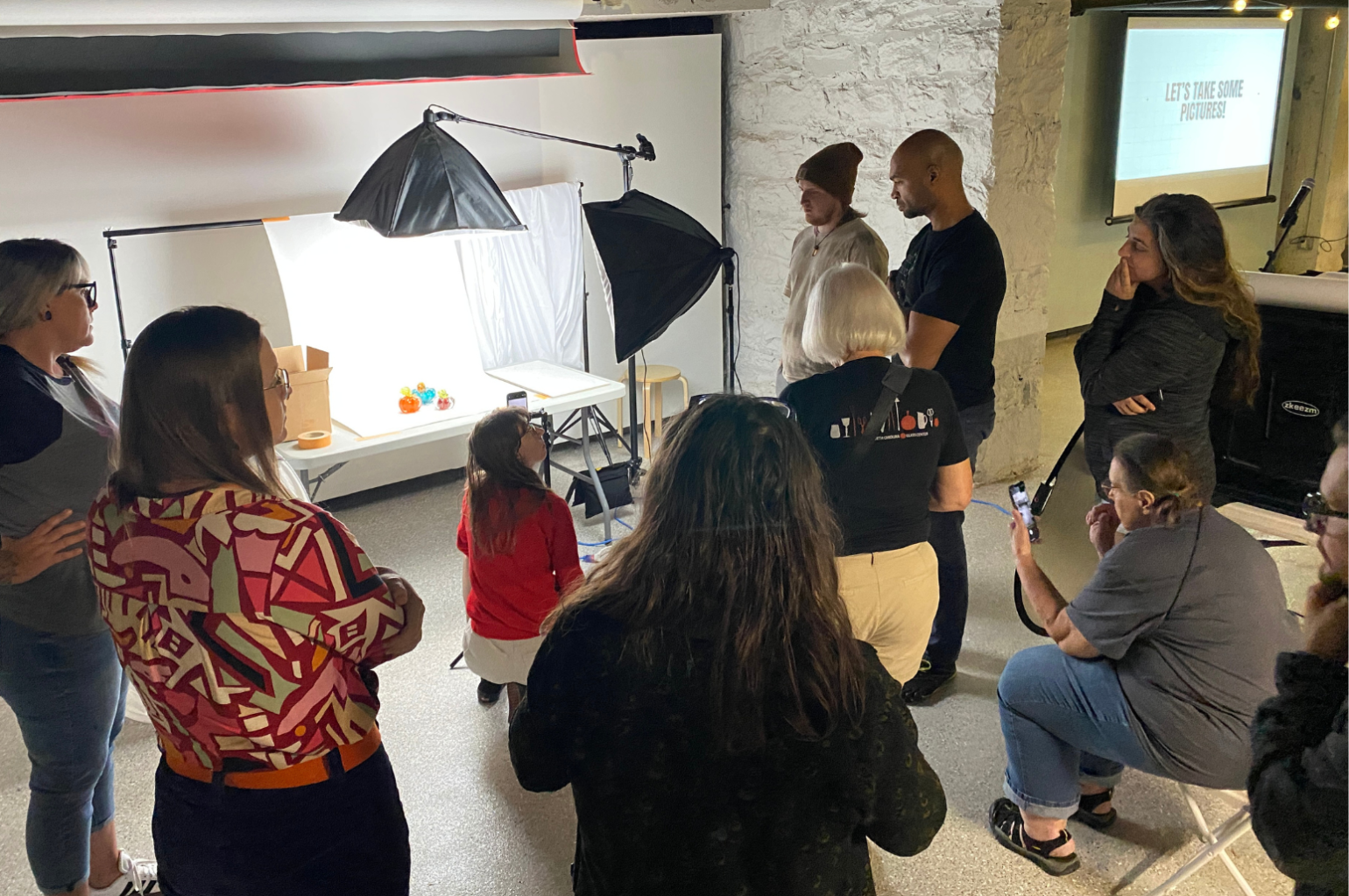
Yes! In 2026, we will release an e-learning platform with our most asked-for workshops: pricing, photographing your work, web presence, and grant writing. We will also release a workshop series for mid-career artists, which has been identified as a need. There’s not a lot of support for folks who have been in business for five, ten, or fifteen years, and who want to be in conversation with peers.
What are your hopes for the program’s future?
We are working on more programing for mid-career artists and placing more focus on what mid-career artists are experiencing right now, and what they need assistance with, because that’s different from the situation of early-career artists.
We’re helping them set sales goals, create booth designs and layout, and learn how to talk to buyers. We’re talking about different pricing methods for wholesale and retail, how to take orders, and how to cultivate relationships with collectors and wholesale buyers. That’s a pilot program for this year, but we're hoping to continue it.
We’ll also start a podcast that will give us a bigger reach. Also expanding our reach is the book club we started after Helene. So far, all of the books’ authors have joined us virtually for questions and answers. We aim for a multitude of access points for different learning styles and career points and we're really connected to our community.